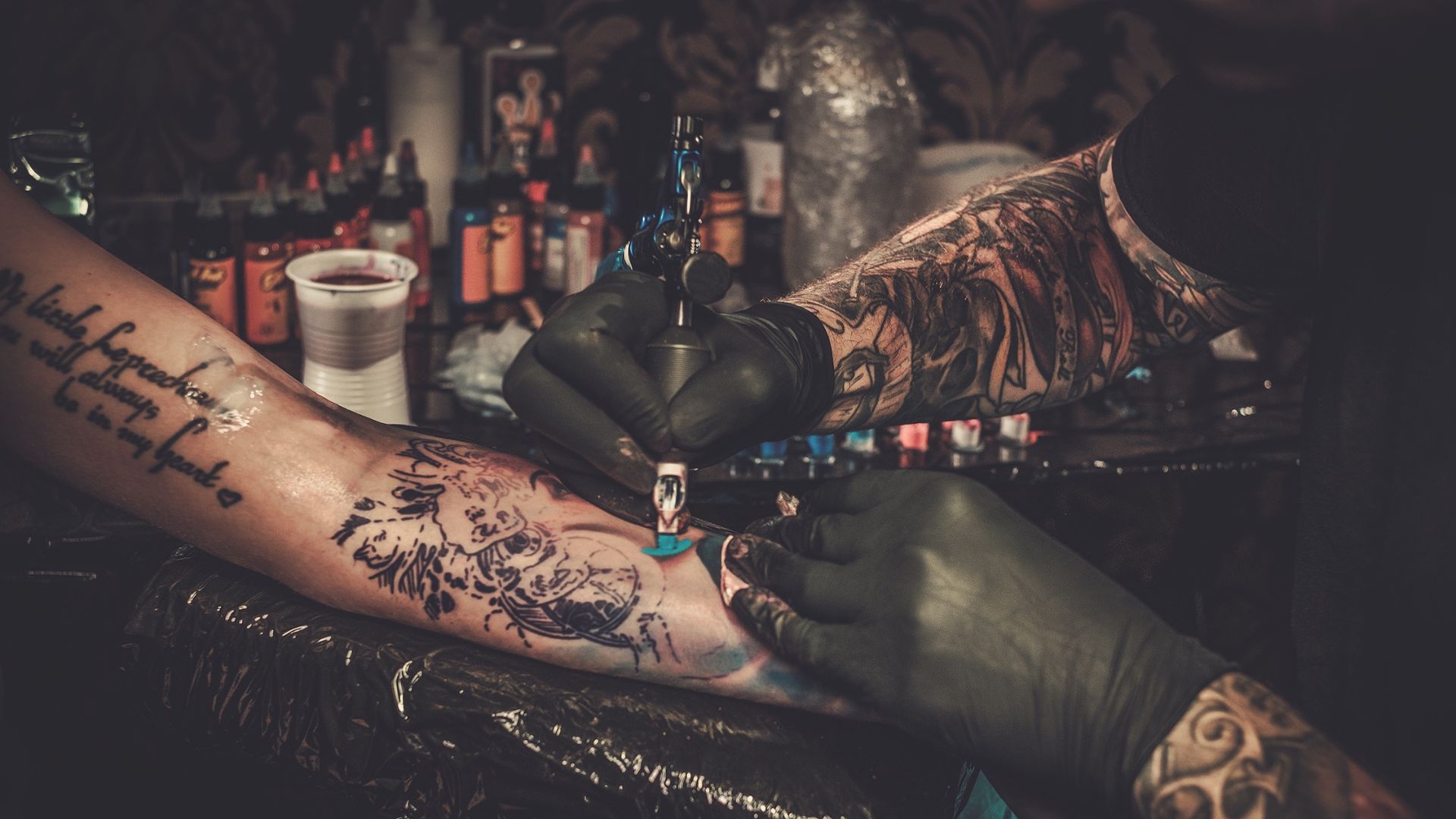
If the phrase “feel it on your skin” was not coined with tattoos in mind, it missed a perfect opportunity.
The origins of tattooing show that tattoos have never been just pretty designs. Long before tattoo tours, TikTok trends or a place in a Creator’s visual identity, marking the skin already expressed faith, status, memory, protection and belonging.
In other words, tattoos have always been a language.
Skin was a feed before feeds existed. Now, the feed helps that story travel further.
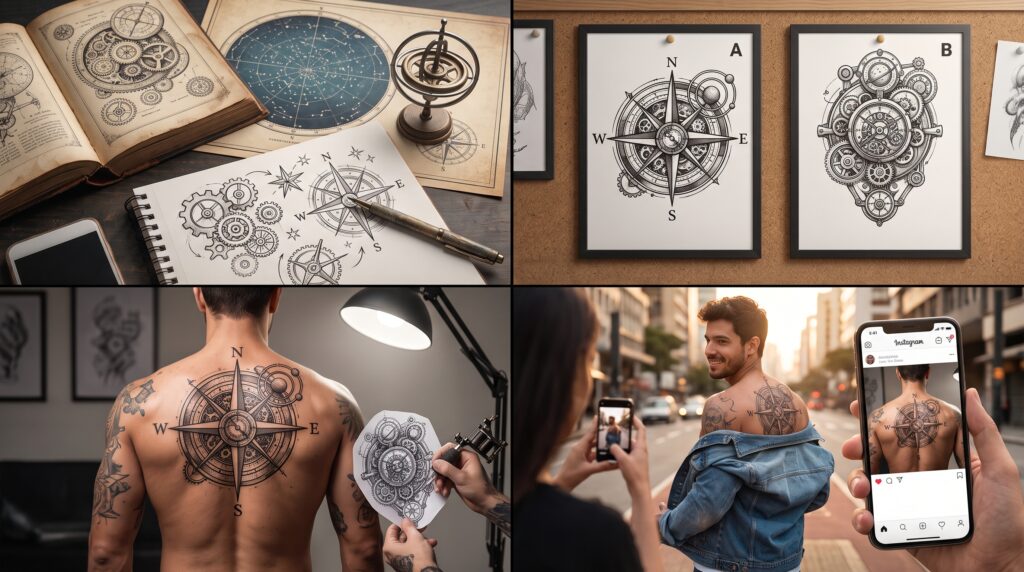
The origins of tattooing: skin as one of the earliest forms of communication
Long before Pinterest organized inspiration boards, the body was already a place for messages. One of the best-known examples is Ötzi the Iceman, a mummy found in the Alps with 61 tattoos, according to the Smithsonian Institution, a US network of museums and research centers.
What makes those marks so interesting is not just their age. It is the realization that, thousands of years ago, someone already saw skin as a place for meaning.
Across cultures, tattoos have been part of rituals, healing, rites of passage, family ties, social roles and aesthetic expression. A tattoo could say “I belong,” “I went through this,” “I believe in this” or “this body carries a story.”
In Polynesia, tatau, the traditional practice of marking the skin that gave rise to the modern word tattoo, carried deep cultural significance. Tahiti Tourisme, the official tourism organization of the Islands of Tahiti, explains that tattoos could indicate someone’s origins, family, occupation, status and personal bonds.
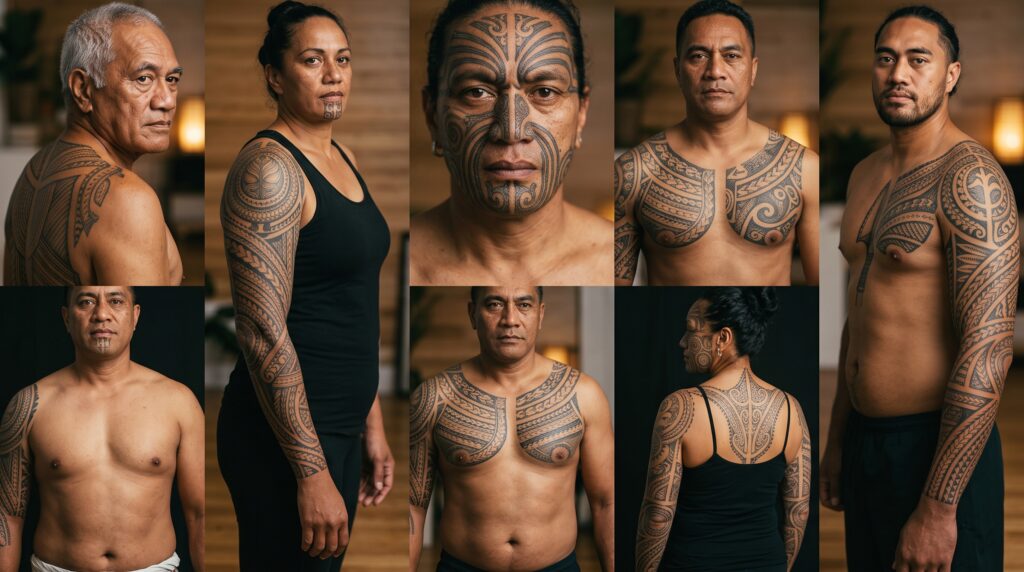
The codes have changed, but the logic is still familiar. A tattoo can be personal, yet it rarely goes unnoticed. It becomes a conversation on a date, in a photo, during an interview, in a family comment or in a screenshot sent to a group chat with “look at this reference.”
The rise of modern tattooing and its growing popularity in Brazil
The rise of modern tattooing involved professional studios, electric machines, specialized artists and styles moving between cities, cultural scenes and communities.
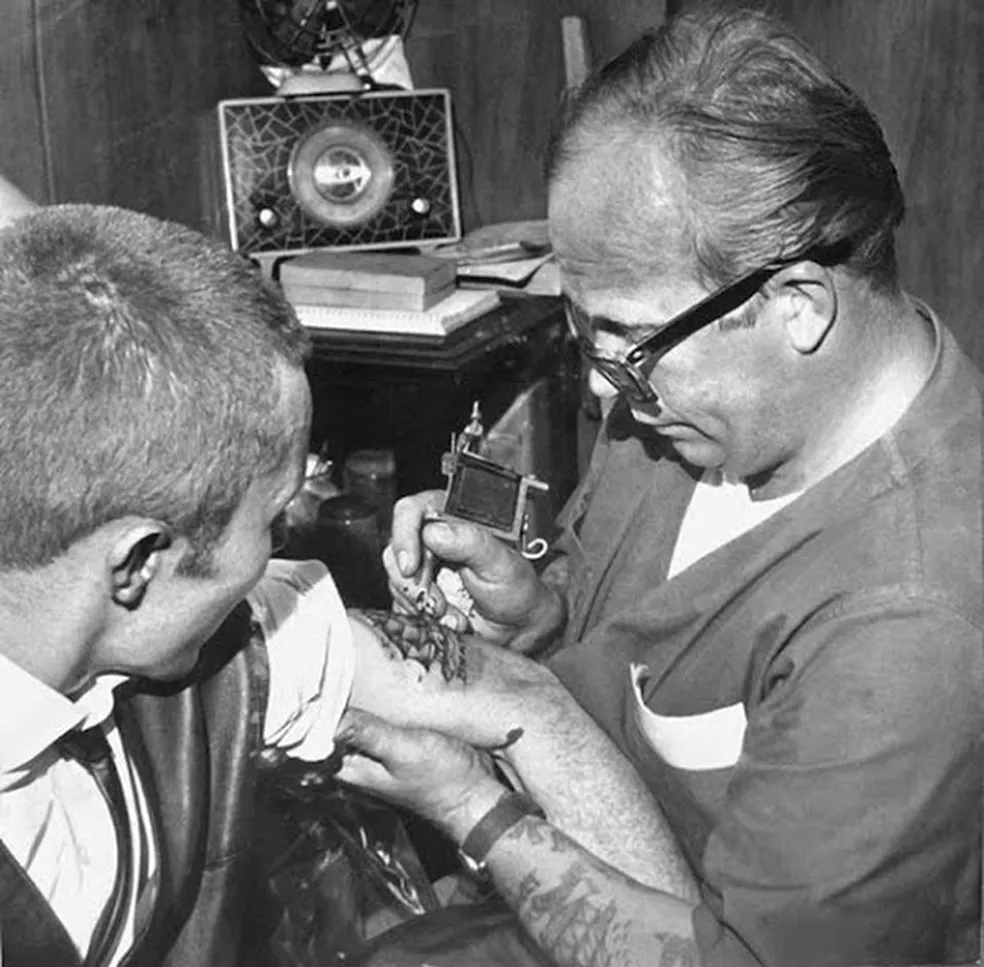
In Brazil, tattoo culture gained momentum particularly in the second half of the 20th century. One milestone cited by Itaú Cultural is the arrival of Lucky Tattoo in Santos in 1959, where he opened one of the country’s first studios to use electric equipment.
From there, tattoos gradually moved beyond their more marginalized image and into music, fashion, sports, advertising and the internet.
How Creators influence tattoo styles, choices and public perception
Where tattoos once traveled mainly on bodies, through streets and inside studios, they now travel through the feed too. That changes the scale of their influence.
A tattoo that might once have been seen only by people who crossed paths with its wearer can now appear in videos, screenshots, inspiration boards, comments and trends. Skin is still the language. The feed simply gives the message a wider reach.
Creators did not invent the influence of tattoos. But they have helped references spread faster. A video of the process, a before-and-after, a tattoo tour or a story about regret can become a point of reference for thousands of people. Sometimes, the audience does not copy the design. They take inspiration from the courage it took to mark a chapter of life on their body.
The Creator as a curator of inspiration
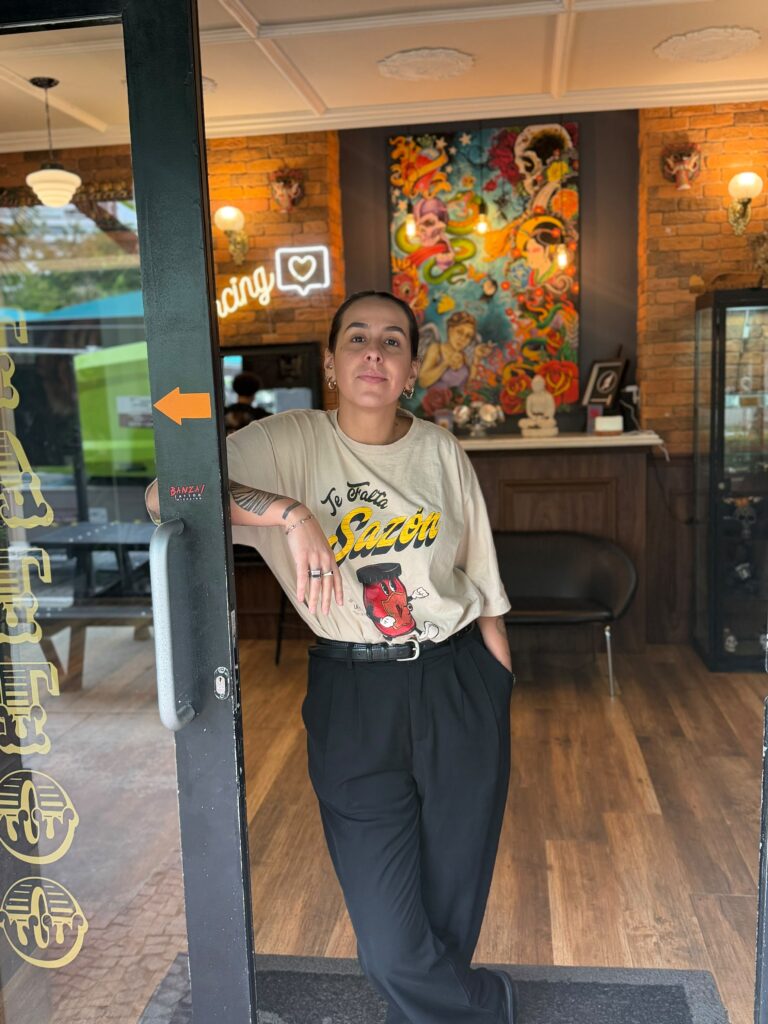
Tatjana Amorim, @comjota.art and a Flamus Creator, takes this conversation somewhere more interesting: tattoos as identity.
In her content, tattoos connect with the body, aesthetics, choice, presence and the creative process. That changes the relationship with her audience. People see more than the finished design. They begin to understand the references, intention, technique and work behind art that quite literally stays on the skin.
Influence also means responsibility
Not every viral tattoo makes sense for every body, stage of life or personal story. That is why Creators who talk about tattoos also educate their audiences when they show the work behind them, the pain, healing, cover-ups, removal, regret and the process of choosing a professional.
Tann Parker, founder of Ink the Diaspora, a project featured in Allure magazine, expands that conversation by bringing visibility to tattoos on Black and brown skin and connecting people with artists experienced in working with different skin tones.
In the #CreatorEconomy, meaningful influence is not just about sparking desire. It is about giving people the context to make more informed choices.
Tattoos have passed through rituals, studios, prejudice and communities. They can be a memory, an aesthetic choice, a sign of belonging or simply a way to look at your body and recognize a version of yourself.
On Flamus, tattoo Creators can go beyond the feed by sharing references, behind-the-scenes moments, their process and exclusive conversations with a community that wants to understand the story behind the skin.