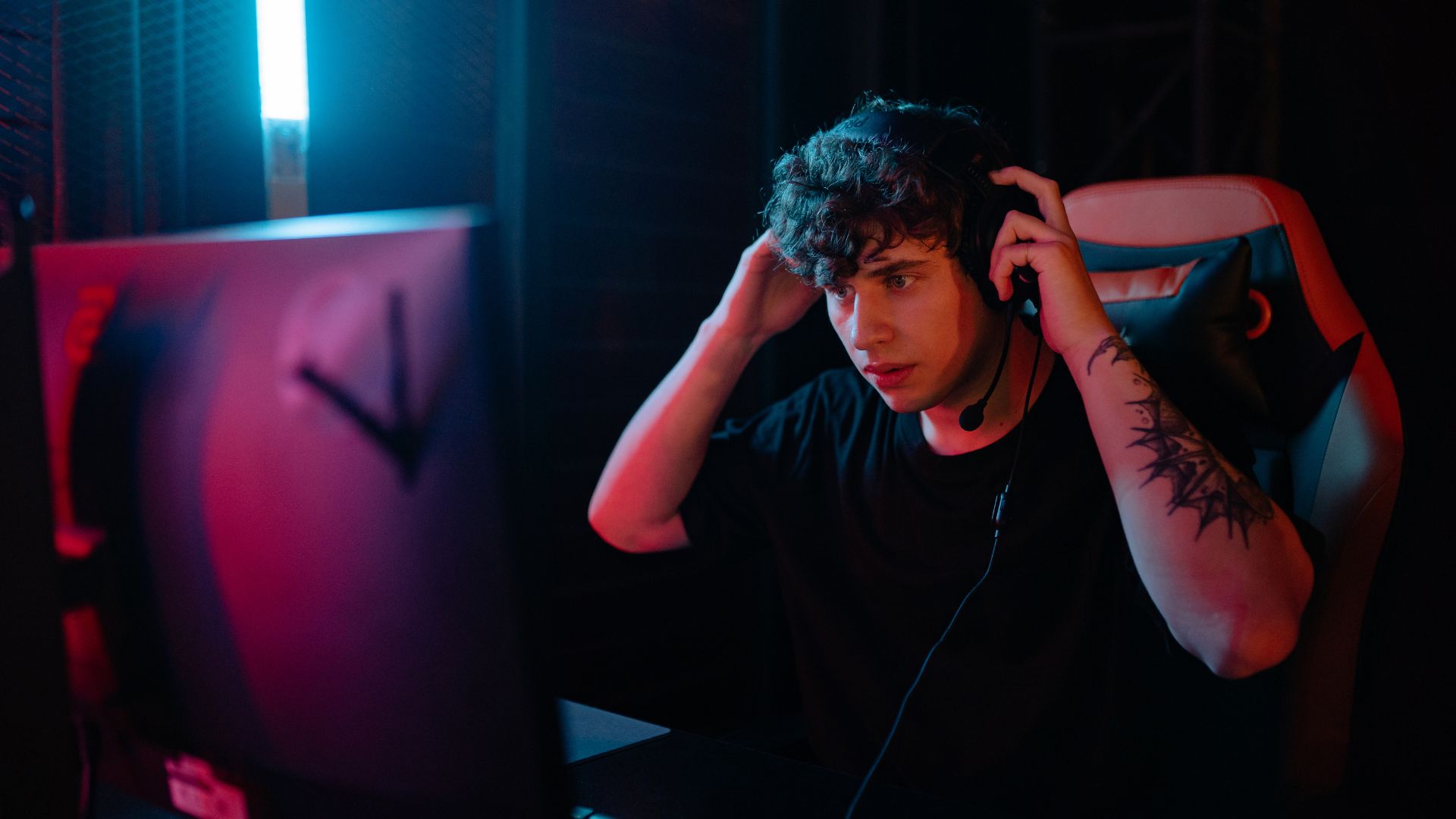
You can become a streamer without starting with an expensive webcam, a gaming chair and RGB lights all over your room. Your first setup can be much simpler: a phone, a headset, a reliable internet connection and a clear idea of what you want to talk about, play, comment on or show live.
The trouble is that many people get stuck before they hit “Go Live.” They open one tab to research webcams, another to compare microphones, watch lighting reviews and end the night choosing a gaming chair that would not even fit in their room.
The stream gets pushed to tomorrow. The setup becomes a side quest, while the live stream, the main mission, stays stuck at the menu.
That is how many people approach learning how to become a streamer: they think they need to look professional before they start. But a good camera cannot choose a topic, an expensive microphone cannot talk to the chat and no amount of lighting can make someone want to come back.
Starting out calls for less focus on a perfect backdrop and more room to experiment. Your first stream does not need to prove that you have already made it. It needs to help you find your format, your rhythm and the kind of community that could grow around it.
Start with what you already have
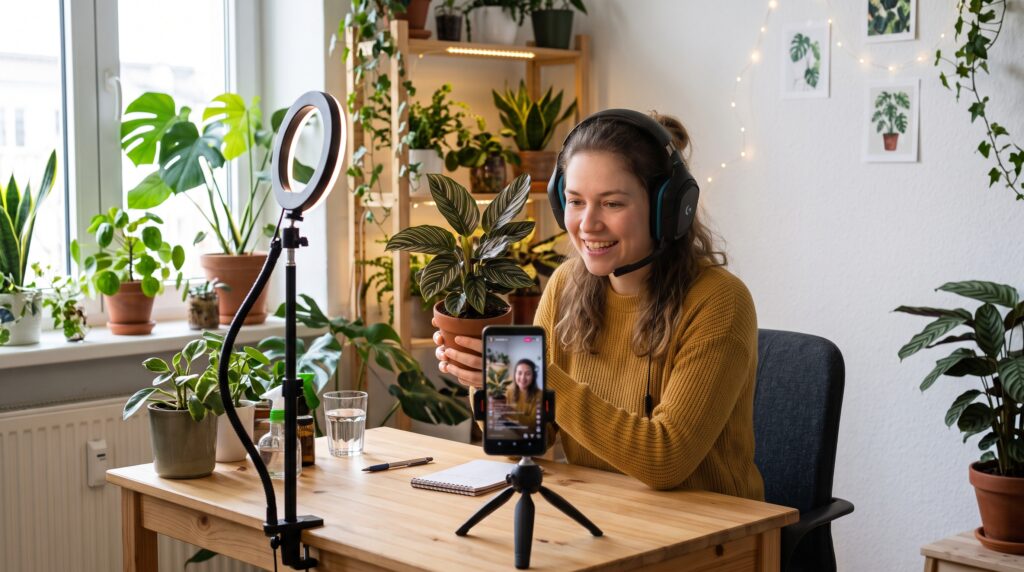
Your first goal is to stream with clear audio, an image people can follow and few interruptions. Make a test recording. Check your framing, voice level and any notifications that might pop up. Have two or three topics ready for the first few minutes, too. When the chat is still quiet, a thread to follow keeps the silence from feeling like an entire season.
You can upgrade your equipment later. The ability to react, keep a rhythm and understand who is watching only develops once you go live.
Which types of streaming fit your content?
Gaming is a familiar entry point, but it is not the only one. Some people stream reactions, music, sports, educational content, conversations or IRL (In Real Life, a format built around real-life situations).
Maybe you could spend hours analyzing matches. Maybe you would rather interview people, teach a skill or discuss a trend with context. The best format to start with is one you can sustain without turning into a character version of yourself.
A clear focus helps, too. Talking about a specific game, a league or a music genre brings you closer to people already looking for that. They can quickly see what your stream is about and why they should stay.
The basics for your first live stream
For live streaming, you need a device, working audio, a reliable internet connection and a streaming tool.
Free software such as OBS Studio helps you organize your camera, screen, sound and visual elements. Start with a simple scene. Five animated overlays cannot save a stream where people can barely hear your voice.
Before opening your stream to the public, record a few minutes and watch them back. Is the audio balanced? Can people read the screen? Did a private notification appear? That rehearsal saves you from finding out 40 minutes later that you performed an entire show with your microphone off. It sounds like a small detail. It is not.
What brings people back after the stream?
People may show up for the topic, but they usually stay for the experience.
Talk to the people who join, even if there are only three names in the chat. Read comments, give new viewers some context and turn small reactions into conversation. A line you keep repeating or a funny mistake could become a clip, an inside joke or a pinned comment the next day.
Consistency matters, too. Two streams a week that you can actually manage are worth more than an ambitious schedule abandoned by episode two.
In the #CreatorEconomy, live content can open the door to channel subscriptions, donations, memberships and partnerships. The shift happens when people stop watching by chance and start following because they recognize the value, voice and presence you bring.
The stream ends, but the relationship can continue
To start streaming, you only need a first stream that is good enough to show you what to improve in the second. Then come routine, a growing range of ideas and community. Your setup grows with the project, not before it.
On Flamus, Creators can turn that closeness into a space of their own, with exclusive content, direct interaction and more structure for building a career beyond the live stream.