Eating better sounds simple until you find yourself standing in front of a shelf packed with eye-catching labels, healthy promises, and ingredient names that sound like Wi-Fi passwords. The good news is that technology can help make this journey easier to navigate.
Today, nutrition education apps can track meals, display nutrients, monitor hydration, and bring healthy eating and physical activity together. That is why we selected six options you can start using today. But let’s make one thing clear from the beginning: no app can replace a registered dietitian, physician, or other healthcare professional.
How to learn about nutrition and make better choices
According to the FAO (Food and Agriculture Organization of the United Nations) food and nutrition education is not just about learning about food and nutrients. It is also about understanding how to take action to improve your diet.
This perspective aligns with the World Health Organization (WHO), which connects healthy eating with the prevention of malnutrition and noncommunicable diseases. In practice, nutrition education means paying attention to your routine, understanding nutrients, learning how to read nutrition labels, and building habits that fit into real life.
Our top 6 picks
We prioritized well-known apps with a strong presence in app stores and genuinely useful features.
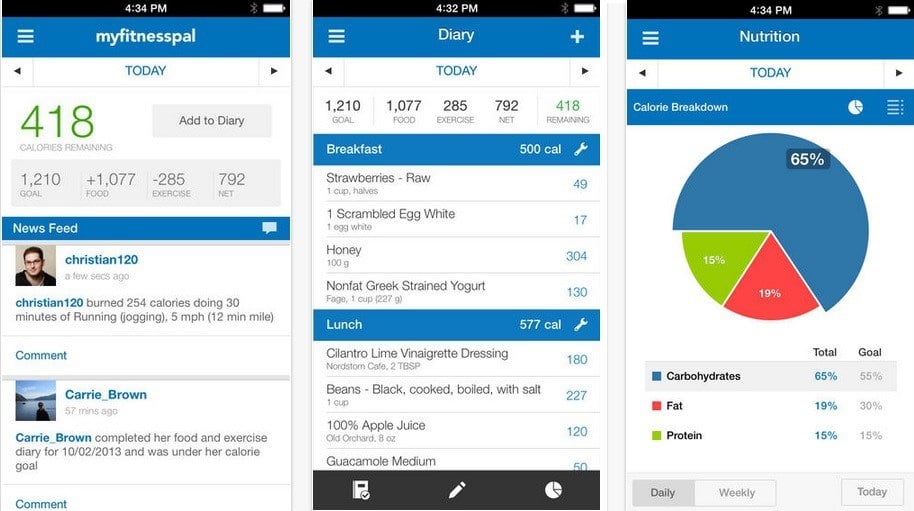
1. MyFitnessPal
MyFitnessPal is one of the best-known food diary apps. It allows you to track meals, calories, macronutrients, water intake, and exercise. It also connects with fitness devices such as smartwatches. It is a good fit for people who want a more complete view of their routine and prefer tracking food, workouts, and hydration in one place.
Available in free and paid version: app store |google play

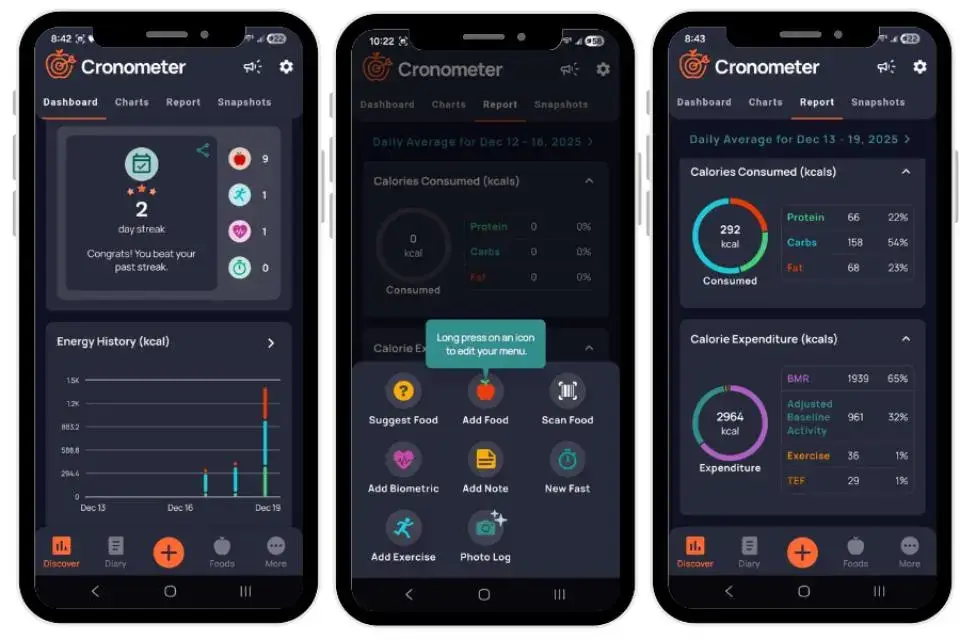
2. Cronometer
Cronometer also tracks meals, calories, and macronutrients, but it stands out by offering more detailed information about micronutrients and your overall nutritional intake over time. It is a good choice for people who prefer a more in-depth look at their data.
Available in free and paid version: app store | google play
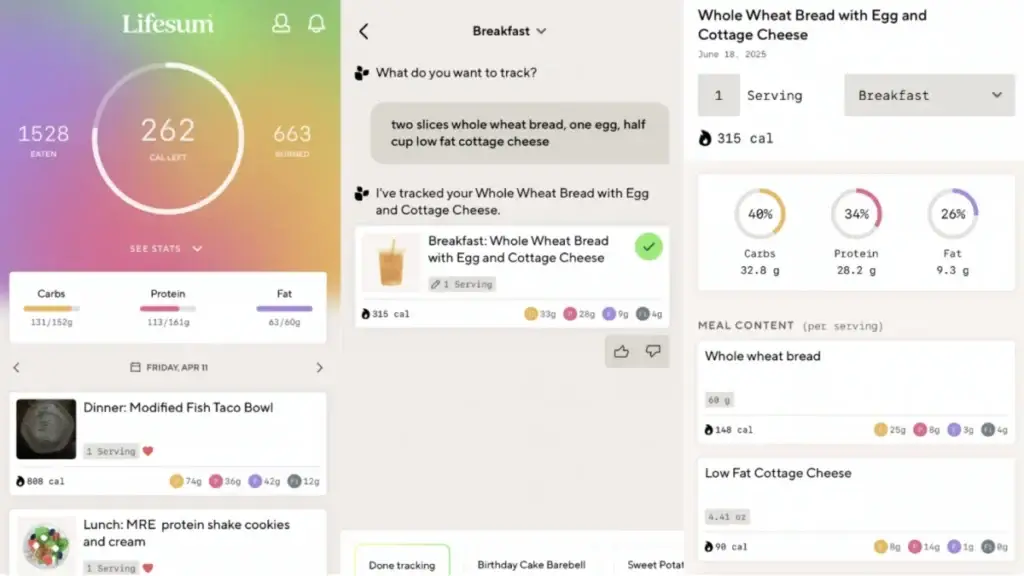
3. LifeSum
Lifesum combines a food diary, goals, recipes, and habit tracking in a more visual experience. It can be useful for people who want to improve their routine without developing an overly numbers-focused relationship with food.
Available in free and paid version: app store | google play

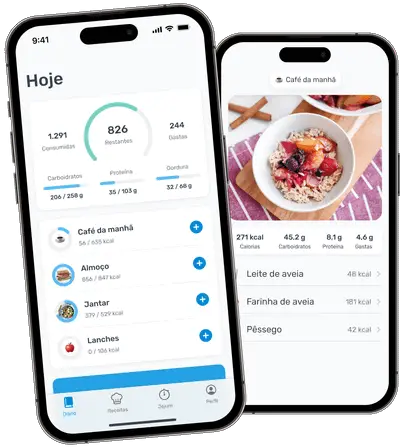
4. Yazio
Yazio helps organize meals, track calories and water intake, explore recipes, and monitor physical activity. Because the app is often associated with weight loss, it is best used as a tool to support your routine, not as another source of pressure.
Available in free and paid version: app store |google play

5. Foodvisor
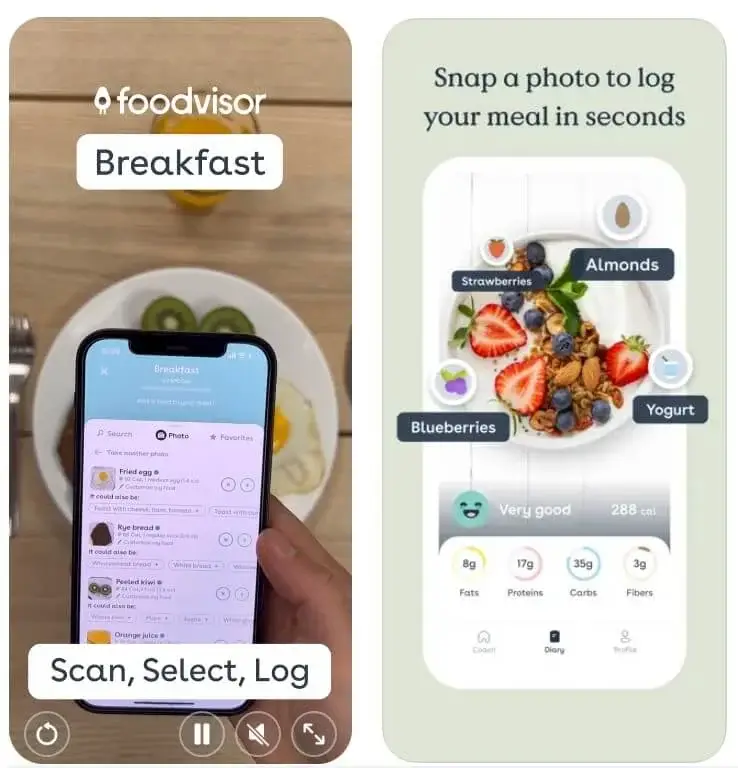
Foodvisor is an interesting option for people who want to track their eating habits without focusing too much on quantities or logging every item individually. One of its most useful features is artificial intelligence that helps identify foods from photos. The app also tracks calories and macros while offering recipes and habit-monitoring tools.
Available in free and paid version: app store |google play
6. FATSECRET
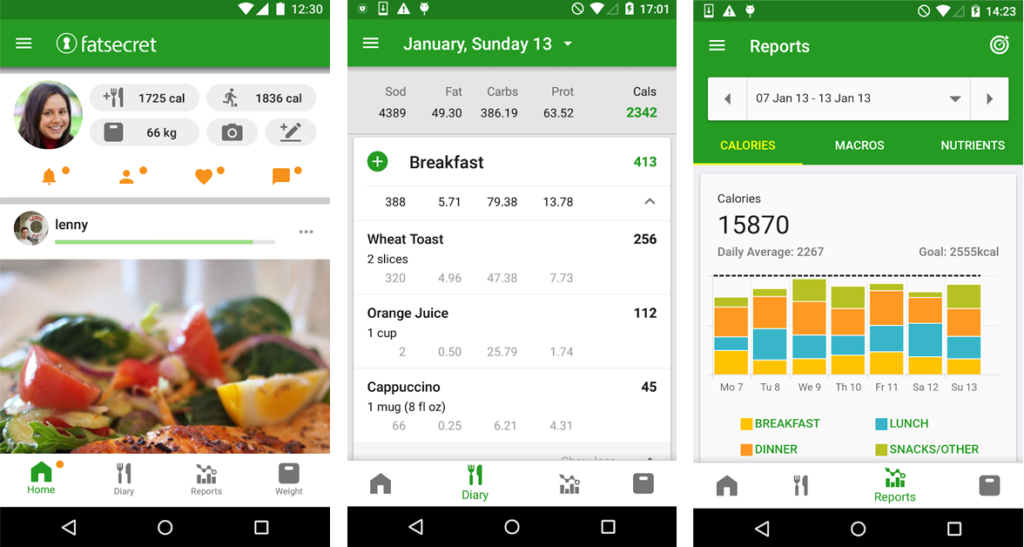
FatSecret is a straightforward option for logging meals, checking nutritional information, and tracking exercise and weight. It can help beginners notice patterns in their eating times, recurring habits, and everyday food choices.
Available in free and paid version: app store | google play

Apps can help, but people are the real educators
There is no single ideal app for everyone. The best one is the app that matches what you want to observe and how you prefer to learn. Technology can help organize information, but information alone does not always change behavior.
Creators in health, nutrition, fitness, and wellness can turn this interest into valuable content. When knowledge helps people make better decisions, it stops being just another isolated post and becomes the foundation of a relationship.
Flamus gives that community a space to grow, allowing Creators to turn their knowledge into exclusive, monetized content without relying on the reach of the feed.