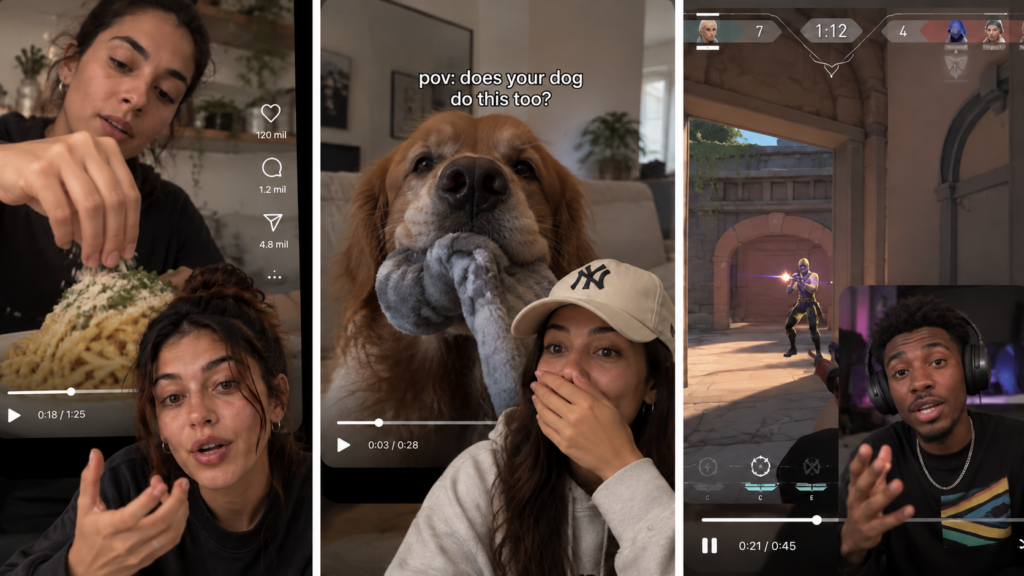
You have probably wondered: “I’m really good at this, but would anyone pay to learn it from me?” Every experience is valuable and can be turned into a product, but not in the unrealistic way so many people make it sound.
Creating an online course is not about taking everything you know, recording dozens of lessons, and hoping someone buys them. Nor is it about waiting until you have a professional camera, a beautiful studio, the perfect website, and thousands of followers.
In practice, a good course comes from three much simpler things:
- Knowledge you have mastered
- A real pain point your audience faces
- A structure that helps people get from one point to another
And here is the good news: you do not have to start from scratch. If you already create content, answer questions, teach something on social media, or frequently hear the same questions from your audience, the outline of your course may already exist. Organizing that knowledge into a product is the next step toward monetizing online courses.
More than just video lessons
One of the advantages of this format is its flexibility. The learning experience can combine videos, PDFs, exercises, live sessions, a community, quizzes, and bonus materials, depending on the topic and the student’s routine.
Because everything happens online, your content can also reach people anywhere in the world. But the key word here is experience. A good course starts with a real need. That is why, when naming yours, you should avoid something generic like “makeup course.”
Instead, try something like: “Learn how to create professional event makeup looks using only a few products.” See the difference? The second option already shows the transformation the student will experience.
Before you start recording, find out what your audience wants to learn
This is where many people get tripped up. A Creator has an idea, thinks it is amazing, records everything, and only then realizes that no one was waiting for it. So, before turning on the camera, pay attention.
What questions do people ask you again and again? Which posts get the most comments? What questions show up in your DMs? What problem is your audience trying to solve on their own but still cannot? Creating online courses becomes much more strategic when you connect what you know how to teach with what people genuinely want to learn.
Here is a simple tip: make a list of the ten questions your audience asks most often. Then check whether those questions follow a natural sequence. That sequence could become the modules of your course.
Validate your method before producing the entire course
There are several simple ways to validate your idea: run a poll on Stories, host a free class, create a waitlist, offer a presale to a smaller group, or talk to people who have already shown interest in the topic.
Validation does not have to be perfect. It only needs to answer one question: are people willing to invest time, attention, or money in this? If the answer is yes, you can move forward with more confidence. If the answer is no, adjust the topic before investing too much energy in it.
That does not make your idea any less valuable, quite the opposite. It helps turn a good concept into a product that truly makes sense for your audience.
Structure your course as a journey
Once you have validated the idea, it is time to focus on what separates an improvised course from one that truly teaches: its structure. Start at the end. What should the student be able to do by the time they finish?
Then work backward and ask: what do they need to learn first? Which concepts should come before hands-on practice? Which mistakes could be avoided? What exercise would help reinforce the material?
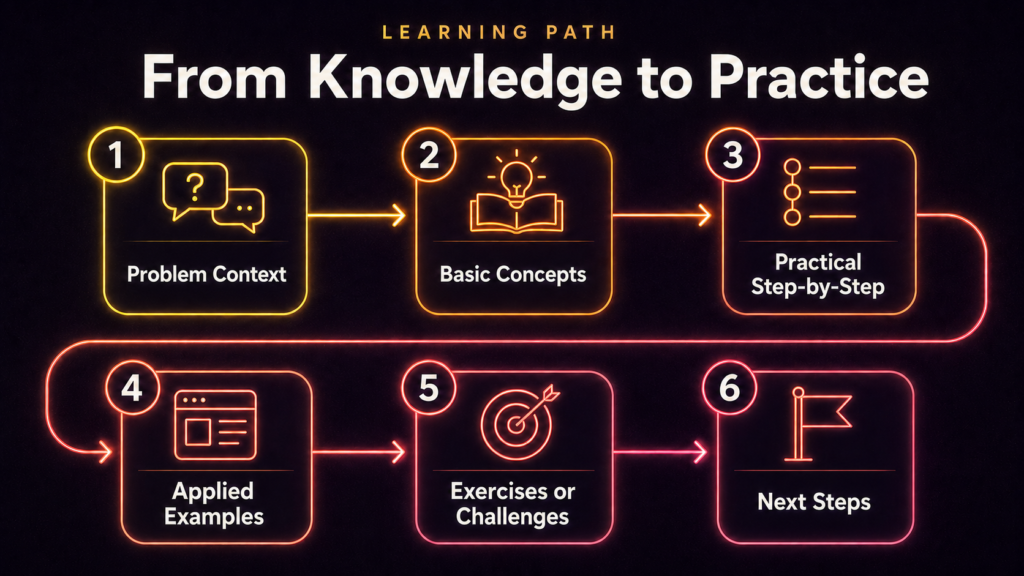
A simple structure might look like this:
- The context behind the problem
- Essential concepts
- Practical step-by-step guidance
- Real-world examples
- Exercises or challenges
- Next steps
The secret is not trying to include everything you know in a single course. Define the goal of the material and the specific need it addresses. Then include only what students need to apply what they have learned and achieve the promised result. Supporting content can become bonus materials or even future courses.
Record with what you have, but get the basics right
You do not need a studio to get started. But you do need to take care of the experience of the person watching. The basics are enough: a phone with a good camera, natural light, a quiet space, and clear audio. In fact, poor audio is often more distracting than simple video quality.
It is also worth keeping your lessons shorter. Many students learn during a break from work, on their commute, before bed, or between tasks.
Focused videos with one central idea per lesson tend to work better than long, exhausting recordings. Think of it this way: each lesson should solve one small part of the problem.
Choose a platform to create an online course
Once your content starts taking shape, an important question comes up: how will it reach your audience?
At Flamus, you do not have to put your course on a platform that already feels like a course platform. You can create a series of content and offer it all through a monthly subscription, for people who want to follow along gradually and get access to every new piece of content you publish. It is almost like a streaming experience, but for your content.
You can also teach for free and enable tips for people who want to support your work. Or you can create shorter pieces of content, like mini lessons, and offer more complete material through the pay per view model, so people only pay for what they want to watch.
So, more than choosing where to host a course, you choose how people will access, pay for, and keep following what you create. In other words, you do not have to rely only on brand deals, algorithms, or one-off launches. You can think about more sustainable ways to monetize online courses and exclusive content.