In digital entertainment, a video rarely ends when it is over. People watch, open the comments “just out of curiosity,” and, before they know it, they are deep in theories, memes, clips, reactions and the fandom’s inside conversations.
In the past, watching was more passive. Today, audiences consume, comment, make inside jokes, share with ALL CAPS captions and help keep the conversation alive after the main content ends.
For Creators, that changes the whole conversation. Getting attention is still important, of course. But the next step is understanding how to turn attention into community.
Let’s take a look at how to do that.
What Has Changed in Digital Entertainment
Content production began as a one way street. Someone created, the audience watched, and there was hardly any conversation. Then the internet closed that distance.
Forums, online fan clubs, social media, livestreams, Discord servers, closed groups and subscription platforms brought audiences into the room. Today, a video becomes a meme. A livestream becomes a gathering place. A series builds a vocabulary of its own. A Creator brings together people who might never have met outside that context and gives life to a community.
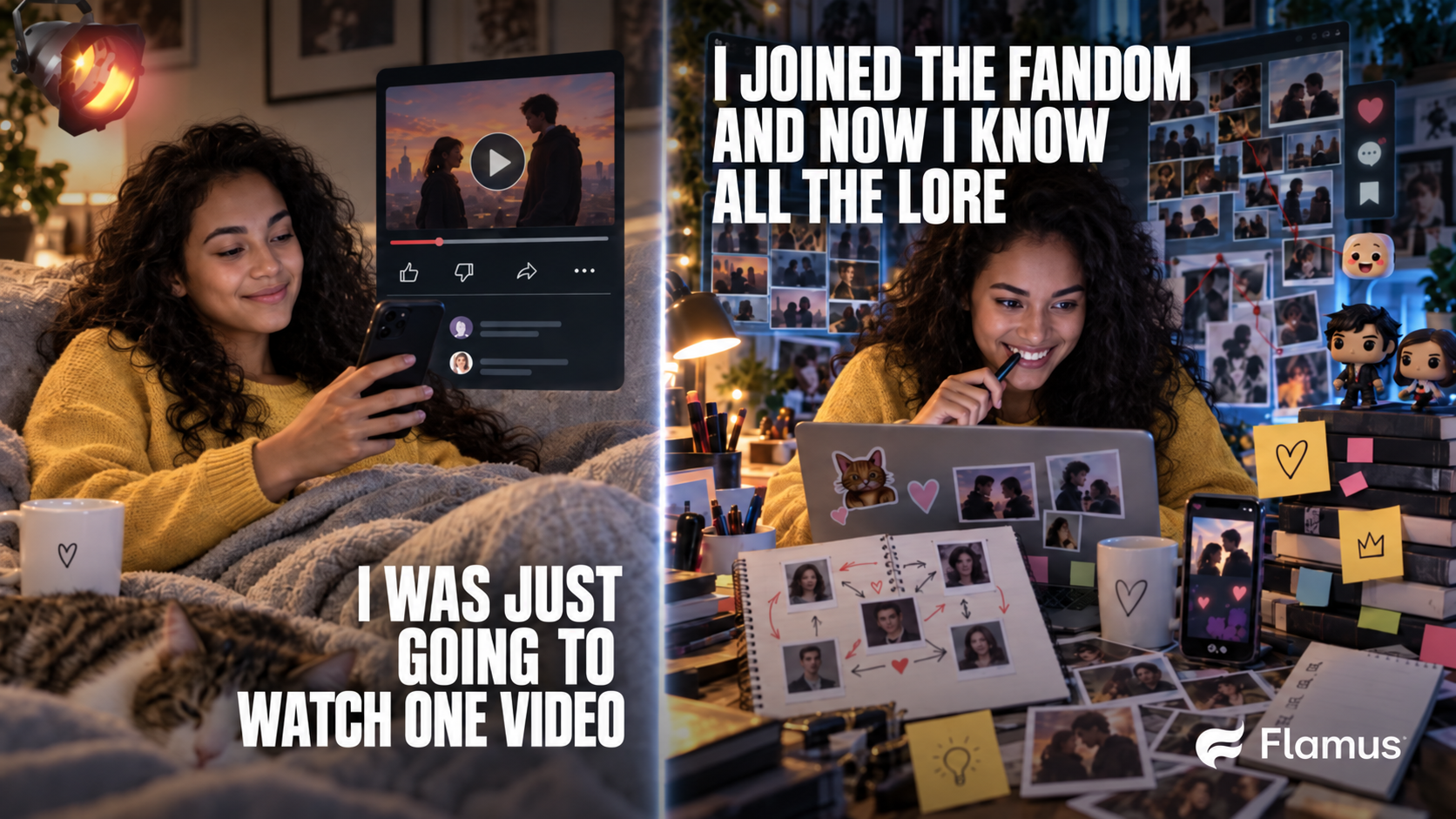
With this shift, online entertainment stopped being only distribution and became a meeting place and a discovery tool.
You know that feeling of “I found my people”? It is worth its weight in gold in today’s digital market.
Is Your Content Building an Audience or a Connection?
And why does that matter?
An audience is the group of people who consume your content, and it appears when the content delivers. A community, on the other hand, looks for you even before you have posted and keeps coming back even when the algorithm fails to deliver.

This shift shows up frequently in conversations about audiovisual media, gaming, fandoms and the Creator Economy (the market that connects content creation, community and monetization). The question is no longer only what people want to watch, what the best time to post is or what goes viral most. It is which channel they want to take part in, who they prefer to talk to and why they will stick around.
And for people who build a career creating content, that difference matters a lot. There is no point in burning yourself out trying to make the perfect video: a post can perform today and disappear tomorrow. Invest time looking after your best fans and building a connection with your audience.
The Evolution of Communities in Online Entertainment
Fan communities are not new. They just changed clothes, platforms and pace.
In forums and fan clubs, fans were already exchanging news, theories and files. On Orkut, specific interests became communities with names, rules and organized chaos. Anyone who remembers the famous “I Hate Jeans” group, raise your hand 🙋♀️.
But later, on platforms like Twitter, Reddit and Discord, the conversation became faster, more segmented and always on. In YouTube, Instagram and Twitch livestreams, the audience started to influence the pace of content in real time.
And now, with subscription platforms such as Flamus, this connection is even closer.
Fans financially support a Creator and access exclusive content in a private space with more context, exchange and belonging. It is a way to organize an ongoing relationship between people who create and people who want to be closer to that creation.
And that says a lot about the future of creative careers.
Community Is the Center of the Show
In this new reality, where digital entertainment is less and less about isolated content and more and more about the community that grows around it, here is the question: Is your content collecting views or building relationships?
Flamus is for Creators who want the second option. It is a space to create, connect with the audience and turn content into community with more autonomy, structure and value.