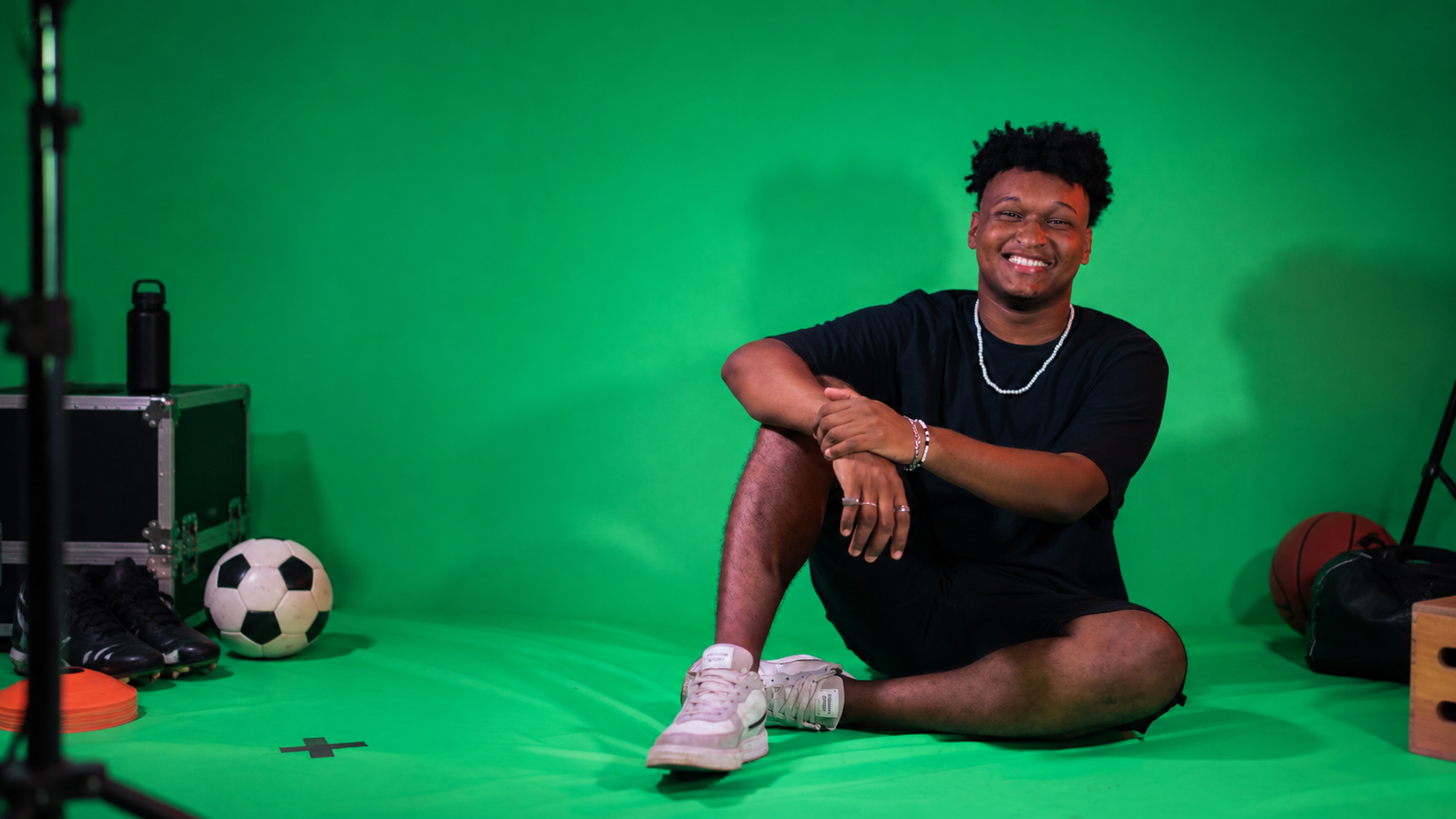
Sports fans want far more than the score. They want banter, behind-the-scenes access, reactions, humor, analysis and commentary in the heat of the moment.
It is an experience every fan has lived: opening social media just to check the score and, three hours later, still watching highlights, clips from live streams, threads about the lineup and memes about the coach.
This is where the Sport Creator comes in. They do not show up just to report what happened. They create a sense of company, context and a closer way to experience that passion.
A Deloitte study helps put this shift into perspective: 71% of fans of professional athletes or teams take part in online communities, 57% interact with influencers within those fandoms and 50% look for media created by fans.
That is the play we are going to review now: how sports coverage left the booth and entered the chat.
Why Have Niche Creators Grown So Much in Sports?
The difference between a Content Creator and a traditional channel lies in the relationship with the audience.
Let me explain: while a sports show generally speaks to a broad audience, a digital influencer can grow by covering only Corinthians, fantasy games, the NBA, American football, Free Fire, Counter-Strike or behind-the-scenes content from a specific league.
And why does it work? Because audiences want someone who talks about the game the same way they do in their WhatsApp group.
CazéTV is one of the best-known Brazilian examples of this shift in scale. In 2022, Casimiro streamed World Cup matches on YouTube and brought the atmosphere of reactions, sports banter and the digital stands to the coverage, bringing the audience much closer.

How Sport Creators Build an Audience and Community
The first layer is language. Many niche influencers grow because they can blend serious commentary, inside jokes, fan outrage and accessible analysis. The audience feels that person understands the game, but also feels the game.
The second layer is #realtime. Live streams and reactions turn sports coverage into a collective gathering. Gabreta shows this well in esports: the match takes place on the screen, but the experience also happens in the chat, in clips, in memes and in the conversation the following day.
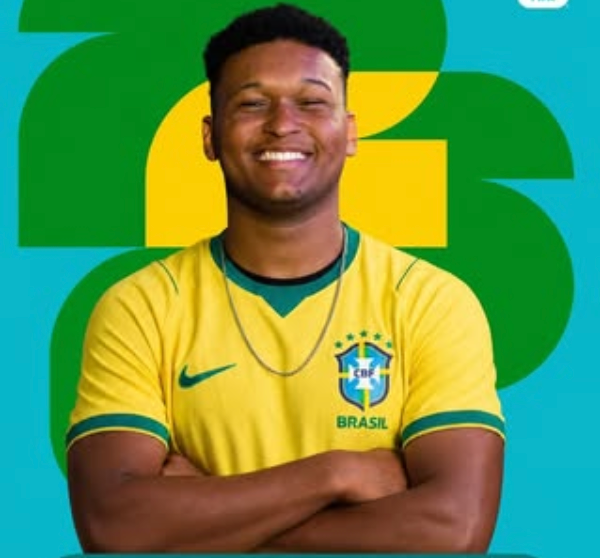
“It is so good to be able to watch matches with the audience, share feelings and express what I am experiencing. That exchange turns the game into a shared experience, where everyone feels part of that moment,” says the gamer, who has just expanded his channels and is now part of the #TimeFlamus content team.
The third layer is focus. The clearer the niche, the stronger the identification tends to be.
Finally, and just as importantly, there is participation. The audience suggests topics, sends memes, votes, asks questions and helps set the tone of the coverage. When that happens, the audience base stops being just a number and starts becoming a career asset.
Football Influencers and the Power of Specialized Creators
Those who create content around Brazilians’ favorite sport show how speaking to a niche can be more powerful than trying to cover every subject.
One profile does not have to talk about every club, every league and every game to build relevance. Sometimes, the smartest path is to speak in depth to a specific fan base.
Paparazzo Rubro-Negro is a good example of this logic. Gabriel Reis built a presence by speaking to Flamengo fans, mixing opinion, behind-the-scenes access, post-match coverage and language made for people who follow the club closely.
And That Says a Lot About What Is Coming Next…
The Starting Whistle Has Already Blown for the Future of Sports Coverage
It will blend media, Creator Economy, community, entertainment and increasingly participatory formats.
The Kings League shows this new field clearly: seven-a-side football, digital broadcasts, rules guided by gaming logic and the presence of streamers, former athletes and Content Creators. Jomboy Media and House of Highlights also point in the same direction, with analysis and feed culture becoming media businesses with a voice of their own.
For those who create, the question is: “How do you build a place for fans to return to after the final whistle?”
At Flamus, Content Producers can organize this relationship with their audience in an ecosystem of their own, with exclusive content, closer exchange and more autonomy to build a career beyond the feed.
Your Next Move Is Yours: Discover Flamus 🔥