Have you ever watched a reaction to a scene you know by heart? Or gone back to the same trailer just because you wanted to find out what a particular Creator thought?
A react video, also called a reaction video, is content in which a Creator records their impressions, emotions and commentary while watching a scene, song, trailer, match or other material.
That is exactly what makes a react video work. Viewers do not always show up to discover the original content. Often, they want to laugh along, feel the emotion again, compare impressions or see something through another person’s perspective.
A study published in 2025 analyzed comments from four reaction channels on YouTube and found motivations tied to identification, engagement among fans and community interactions. In other words, watching someone else react can also be a social experience.
What Makes Reaction Content Connect with Viewers?
1. Humor: Because Laughing Together Is Better
A facial expression, an unexpected comment or that silence from someone clearly judging everything can become the most memorable part of the video.
In Brazil, Felca captures this approach to humorous commentary on digital culture. The influencer built much of his online language by reacting to and commenting on events, memes and trends with humor and sharp wit. People do not watch only to find out what the topic is. They want to see that topic through Felca’s filter.

(Image: TikTok | Reproduction)
2. Emotion: “I Felt the Same Way”
There are reaction videos about first episodes, series finales, game announcements, new songs and even sports results.
When someone laughs, gets startled or feels moved on camera, their reaction acts as a mirror. People who have been through it recognize the feeling. First-time viewers find company in the moment.
It is almost like rewatching a scene next to a friend who has never seen it.
3. Relatability: The Audience Gets to Know the Creator
After a few reaction videos, viewers start to understand which references that person loves, what annoys them, which details they notice and even when a certain reaction is coming. That builds familiarity.
According to YouTube, the platform’s culture is increasingly shaped by dialogue between Creators and communities. Entertainment is no longer just consumed. It is shared, commented on and transformed by the audience.
In a react video, this mechanism becomes very visible: following the reaction also means following a personality.
4. Insight: The Best Reactions Add Something
This may be the most important point. What sustains a Creator over time is what they can add to the content they are watching.
It could be knowledge of film, expertise in soccer, internet history, professional experience or a highly individual ability to notice details.
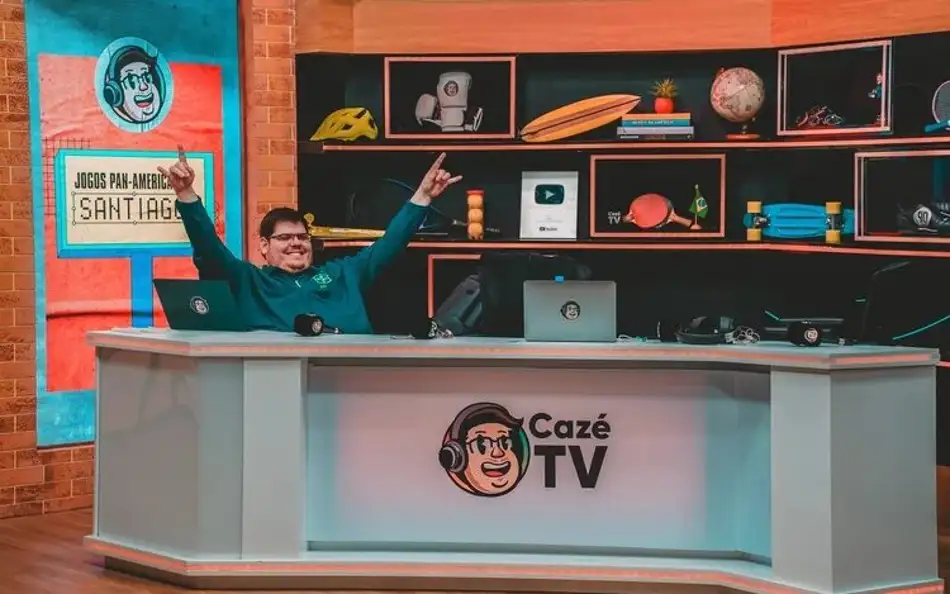
CazéTV demonstrates this dynamic well in sports. During the 2026 World Cup, YouTube described the channel as a gathering place for fans, combining broadcasts, informal language, Creators and community participation. Games, highlights and reactions reached more than 120 million people throughout the tournament.
How to Make Reaction Content That Engages Viewers
A good reaction video does not need to compete with what viewers are watching. But it cannot disappear behind the original content either. To create an experience that goes beyond the immediate reaction, a few things make a difference.
1. Choose Something That Matches Your Expertise
The reaction gains depth when the Creator knows the subject or can connect it to other references. It could be film, soccer, music, games, digital culture or any topic to which they have something distinctive to add.
2. Let Your Personality Show
Spontaneous expressions help hold attention, but the comments, humor and point of view are what make viewers recognize that person. Two Creators can watch the same video and create completely different experiences.
3. Add Context to the Original Content
Reaction content becomes more interesting when it does more than repeat what just happened. Explaining a reference, spotting a detail or connecting the video to another experience helps viewers see something new.
4. Invite the Audience to Join In
Questions, polls and conversations in the comments help turn a react video into a collective experience. Viewers can compare interpretations, share memories and suggest future content.
At Flamus, Creators who make reaction content can keep this conversation going in an even closer way, with subscriptions and exclusive content that dig deeper into references, commentary and behind-the-scenes moments.