Sports have never belonged only to those who step onto the field. Some people in the stands and behind screens know the lineup, history, rivalries, classic jerseys, behind-the-scenes stories and controversial plays better than many commentators. They spend the entire game messaging the group chat, catch stories the broadcast missed and turn the postgame into more entertainment than the full 90 minutes.
Did you know all that knowledge can become content too? Being a sports influencer does not require a professional athletic career. What you need is to find your own way of looking at the sport that is already part of your life and turn that perspective into conversation with other people.
What Does a Sports Influencer Do?
People who create sports content build conversations, stories and entertainment around the world of competition. That can mean explaining a play, commenting on a round, telling athletes’ stories, making memes, talking about jerseys, following behind-the-scenes moments or discussing how sports intersect with music, fashion and behavior.
This space has already reached major competitions: at the 2026 World Cup, TikTok and FIFA selected Creators to cover the tournament as correspondents and share behind-the-scenes moments and stories from the fans’ perspective. The move shows that creating sports content is not necessarily about teaching someone how to kick a ball or run a marathon. It is about having knowledge and something interesting to add to the conversation.
You Don’t Have to Step onto the Field to Have Something to Say
Authority does not come only from medals or trophies. Flávia Bandoni, for example, is an advertising professional with a graduate degree in Sports Marketing who built her platform by creating content about the sociocultural world of soccer.
She is a great example of something important: being a fan builds knowledge too. Watching, researching, comparing, following stories and understanding the codes of a fan base all create experience. The key is turning that experience into reliable, interesting content with a clear point of view.

There Are Many Ways to Create Sports Content. Here Are a Few Ideas for You.
Analysis and Commentary
You can explain matches, decisions, strategies and news in more accessible language. Not every analysis needs to sound like a television panel.
Humor, Memes and Entertainment
Pedro Certezas, a comedian, sports commentator, Creator and Botafogo fan, turned soccer into top-tier entertainment, the classic matchday banter.

Fans and Sports Culture
Historic jerseys, chants, superstitions, rivalries and stadium rituals carry stories. People who experience a fan base from the inside can turn that knowledge into memory, identity and conversation.
Behind-the-Scenes Stories and Fun Facts
Not everything happens during the competition. Transfers, preparation, lesser-known figures and forgotten moments can help audiences see sports beyond the score.
Lifestyle, Fashion and Behavior in Sports
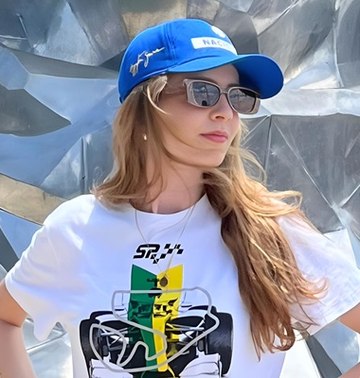
Stella Vicente, a journalist and Formula 1 Creator, connects information and entertainment when she talks about the series. Sports also intersect with aesthetics, celebrities, travel, consumption and pop culture.
What Sets a Sports Influencer Apart When So Many People Are Talking About the Same Game?
As we have seen, there are many ways to tell sports stories, and what makes a difference is the lens you choose to show that world. The same game can become analysis, humor, fan culture, a behind-the-scenes story, lifestyle content or a memory, depending on the angle and the personality of the person creating it.
That applies to a major sport like soccer and to a discipline gaining more space, like skateboarding. Ultimately, the difference is not so much which sport you choose, but how you talk about it: what you notice, what you connect and which point of view makes audiences want to follow your version of that world.

Start With the Sport That Is Already Part of Your Life
You know that championship you already follow every Sunday and send three-minute voice messages about in the group chat? Start creating content about it. From there, test videos, commentary, reactions, rankings or stories and see which conversations attract people who share that passion.
Flamus was created to turn audiences into communities and closeness into revenue.
On the platform, you can offer subscriptions and exclusive content to fans who want to follow your work more closely, creating a recurring source of revenue without relying only on brand deals or algorithms.
All of this takes place in an ecosystem with proprietary technology, human support and careful attention to data security, image rights and legal matters. It is the ideal structure for testing formats, strengthening your base and building a creative career with greater autonomy.