
André Biage, a psychoanalyst and Flamus Creator, brings two kinds of experience to this conversation about the benefits of therapy: his clinical practice and his work in communications. Before seeing clients, he worked as a journalist, producer and reporter.
In his interview with Flamus, André explains that his sessions and psychoanalytic studies inspire his content about behavior and self-awareness. Bringing together clinical practice and communications, he helps us explore a question many Creators face: how do you talk about mental health with people scrolling through their feeds without treating a post as a therapy session?
André Biage and the idea of making self-awareness more accessible
His career change began during a period of dissatisfaction at work. André told Flamus that he became interested in psychoanalysis out of curiosity and took the course while still working in communications. When he became a Creator, he brought to social media his desire to share self-awareness “in a way that is open and accessible to everyone.”
In practice, that means choosing examples people recognize and explaining concepts without assuming everyone already understands psychoanalysis.
You know when you open an app and find someone talking about jealousy, pressure at work or the difficulty of saying “no”? Maybe you weren’t even looking for that topic, but you recognize something from your own life and stop to listen.
That sense of recognition can help you notice something you hadn’t yet put into words. It happens when Creators who are mental health professionals use simple, relatable language to explain sensitive topics that might otherwise only come up in therapy.
Why does language matter when it comes to mental health?
A video goes by in seconds. Understanding what’s happening to you can take much longer. In questioning the instant results social media encourages, André points out that people are often browsing for entertainment rather than a free therapy session. That’s why using simple language helps, as long as it doesn’t come with a promise to sort out someone’s life in a single post.
How can Creators expand the conversation about the benefits of therapy?
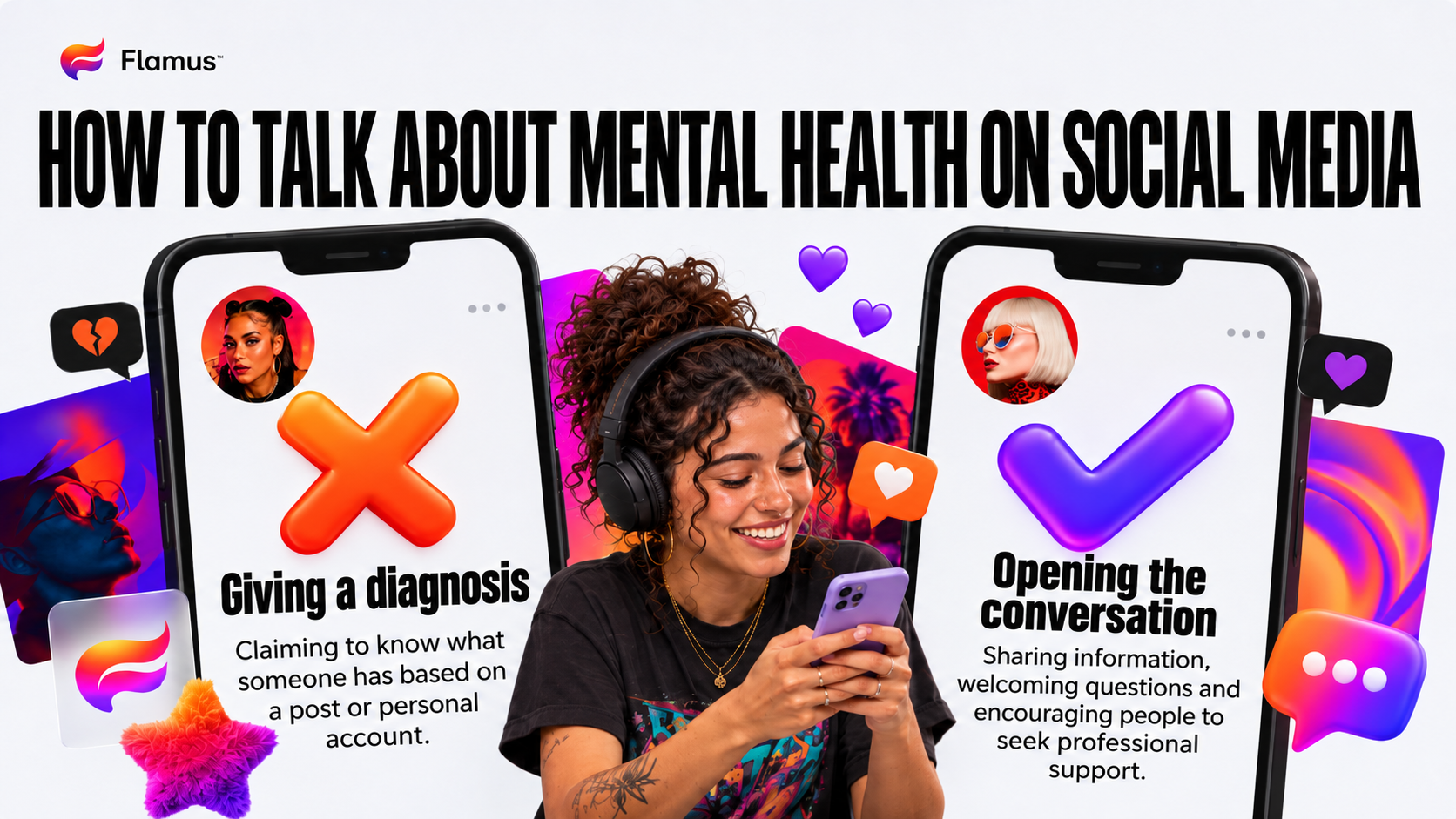
Talking about the benefits of therapy can start with what often makes the subject feel out of reach: embarrassment about asking for help, questions about how therapy works and the fear of not knowing what to say. A Creator can make room for these questions and point people toward reliable information. This helps bring the subject into the conversation without assuming what each person needs.
It’s also worth sharing personal experiences, as long as it’s clear whose story it is. What helped one person doesn’t become a promise for everyone. Viewers need room to ask questions and make their own choices.
Therapy and stress: how can you discuss common experiences without offering diagnoses?
All it takes is for someone to say they have trouble saying “no” for a ready-made explanation to appear in the comments. Suddenly, a behavior becomes a label, as if a video lasting a few seconds were enough to understand someone’s entire story.
Anyone creating content about mental health needs to be careful with this. When talking about stress, for example, you can start with a looming deadline, a phone that won’t stop buzzing and pressure at work. These situations can prompt questions about people’s routines and boundaries. But you can’t turn someone’s account of struggling to concentrate into a diagnosis, or a video into an individual assessment.
You can share experiences, offer information from reliable sources and spark thoughtful reflection without trying to explain the life of the person on the other side of the screen.
How can you take care of the conversations your content starts?
This content is for educational and informational purposes only. It does not replace professional assessment, guidance or care. If you are experiencing symptoms or feel you need support with your mental health, seek help from a qualified professional.
If someone shares something sensitive in the comments, respond with care without asking them to reveal even more about their life. When individual care is needed, encourage them to seek professional support. The same care applies to private messages.
Before turning someone’s story into a content idea, consider whether that exposure helps the person who shared it. Not every conversation needs to become content.
If your content started a good conversation, you can keep it going with the people who follow your work. On Flamus, you can share content and talk with people who are interested in what you do.