Who has never typed on google”How to know the ideal weight?
This “simple” question carries centuries of history. Beauty ideals are cultural constructions that change according to the political, economic and technological context.
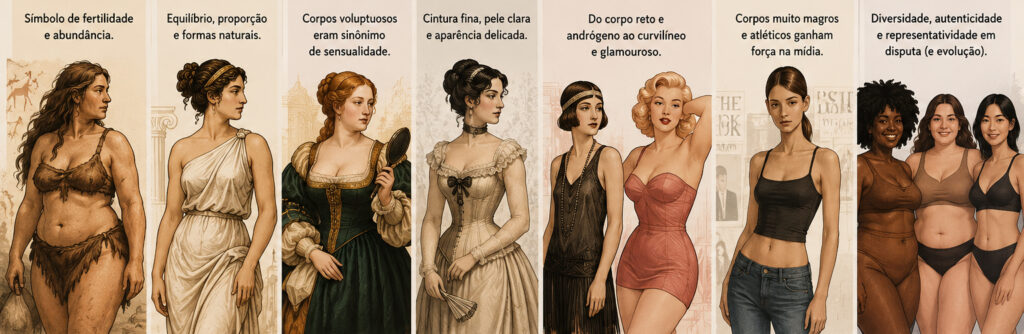
In the United States, for example, the “Gibson Girl” with a marked waist and voluminous hips at the end of the 19th century gave way to the skin flappers of the 1920s, the curvilinear pin-ups in the 1940s and the Supermodels Skeletal Heroína Chic of the 1990s.
Before that, in Renaissance Italy, fleshy arms and legs, wide hips and rounded bellies were considered sensual; The thinness was unwanted. This will-and-come shows that the ideal body pattern is historical and cyclical, not scientific.
Today we live another turning point: after years of valuing different bodies driven by the movement body positive, there are signs of retrogression that we will explore in more detail here.
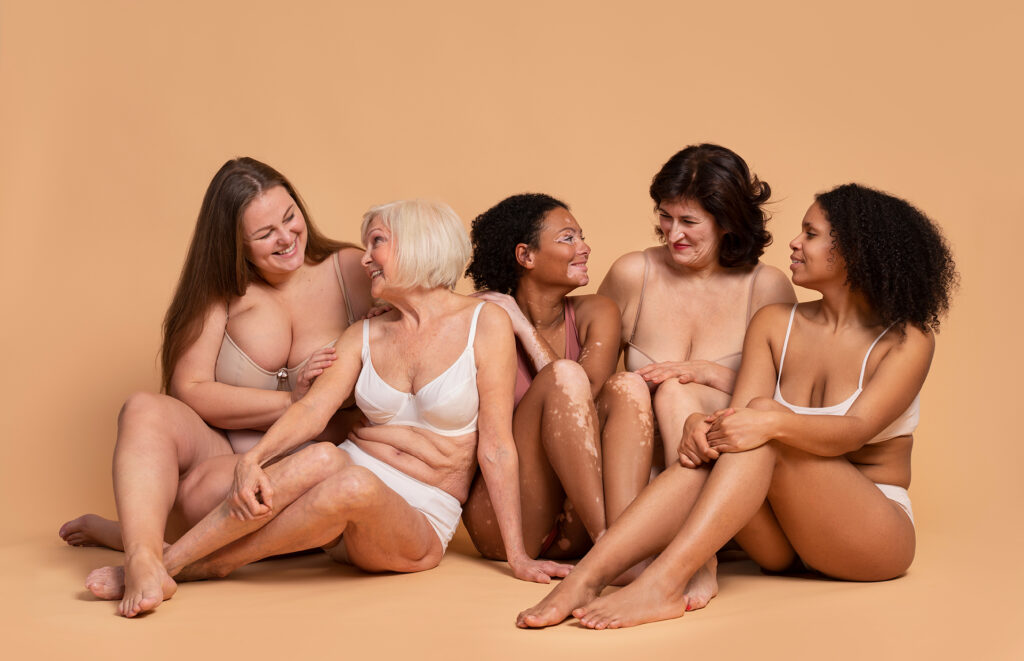
Body positive and free body movement
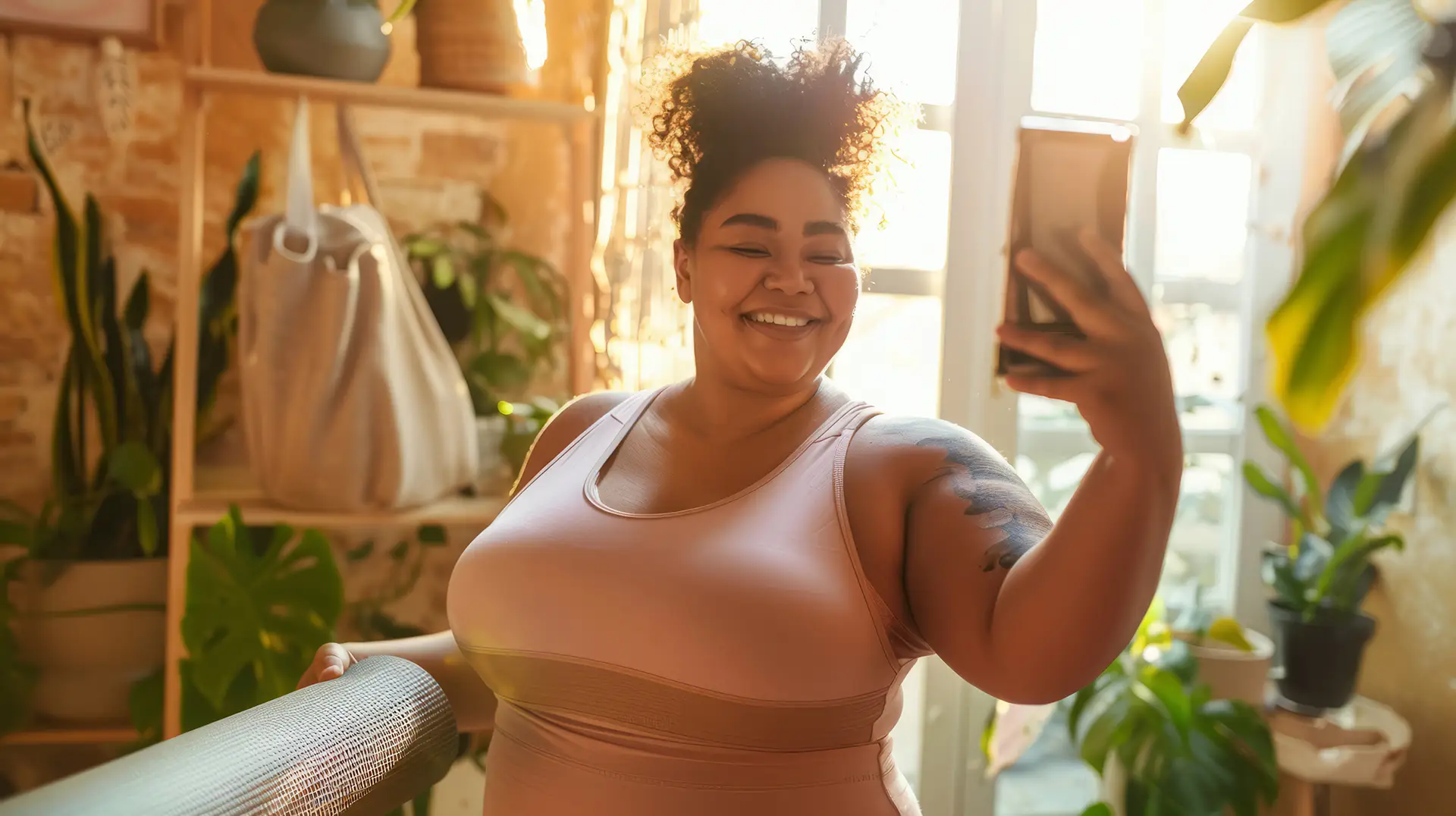
The term Body Positive emerged in the 1990s, as an unfolding of the “Fat Acceptance” movement of the 1960s, to combat oppressive patterns of beauty and promote the acceptance of all bodies.
In Brazil, journalist and influencer Alexandra Gurgel founded the movement free body, defending the plurality of bodies and denouncing prejudices linked to race, disability, gender and mental health.
Creators such as the dancer and activist Thais Carla became symbols of the movement. After being criticized for having bariatric surgery, Carla stated that Body Positive is about being free and happy in any body, and that the surgery was a health decision, not a stimulus.
These examples show that movement has always had a truth: accepting one’s own body is not stopping to take care of it.
The return of thinness and the role of “slimming pens”
But even with advances in the debate, fashion and the beauty industry once again flirt with ultra-fine aesthetics. A fashion report pointed out that only 0.3% of the looks presented at the 2025 autumn/winter fashion weeks were plus-size.
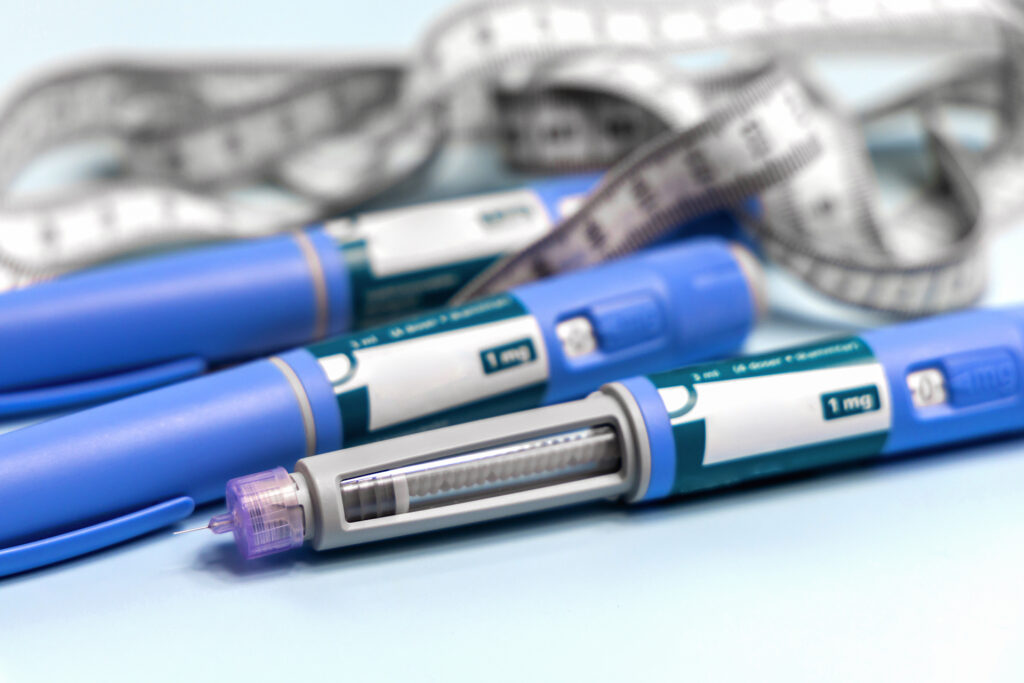
Designers such as Hillary Taymour, from the brand Collina Strada, publicly criticized this return and associated the trend with the popularization of weight loss drugs, such as semaglutide (sold as Ozempic or WeGovy).
And they are not wrong: journalist Michelle Konstantinovsky noted that, after the publication of the article “Bye-Booty: Heroin Chic Is Back”, in 2022, several thin celebrities lost even more weight and the “discussion About Ozempic” exploded.
Even being developed, in principle, to treat type 2 diabetes and severe obesity, GLP-1 inhibitors gained fame to lose “2kg or 5kg” for aesthetics, without medical indication, which can generate many health risks (such as anorexia and bulimia) and boost the lap by the desire of the lean body at any cost.
The ideal weight does not fit on the scale
For those looking for”How to know the ideal weight”, it is important to understand that there is no magic number.
The Body Mass Index (BMI) is an initial reference, but does not evaluate body composition, history of diseases, mental health, hormonal cycle, food or physical activity level. People with the same BMI can have totally different routines, bodies and needs.
More than asking “How much should I weigh?”, it is worth reflecting: “Is my body working well?” Sleeping well, having energy, keeping exams up to date, feeling good about eating and living without obsession with the balance are the most relevant health indicators.
The “ideal weight” should be a safe and sustainable range, compatible with your routine and defined with health professionals. All with a lot of empathy and compassion.
Creating content about the body requires responsibility
To content creators, especially in the areas of health, fitness, fashion and lifestyle, talking about weight means influencing self-esteem and behavior.
When lean aesthetics return to the catwalks and social networks bombard “lossy” bodies, reinforce simplistic discourses about “ideal weight” can feed guilt, comparison and shame.
It is worth exchanging expressions such as “perfect body” for “possible body” and remembering that aesthetics and health are not synonyms.
At Flamus, we help Creators to transform content into a community with autonomy and responsibility.