SPFW 2026 isn’t over when the shows end, it’s over when people stop talking about it. For content Creators, it truly begins when the runway becomes a conversation.
That’s because Brazil’s most important fashion week delivers more than clothes: it delivers behavior, aesthetics, desire, visual references, behind-the-scenes moments, opinions, and a treasure trove of material for Creators. The 2026 edition is already scheduled for October 14–18 at PACUBRA, in Ibirapuera Park. One thing is certain: it will be one of the year’s busiest editorial seasons.
SPFW 2026: Dates and What to Expect from the Shows
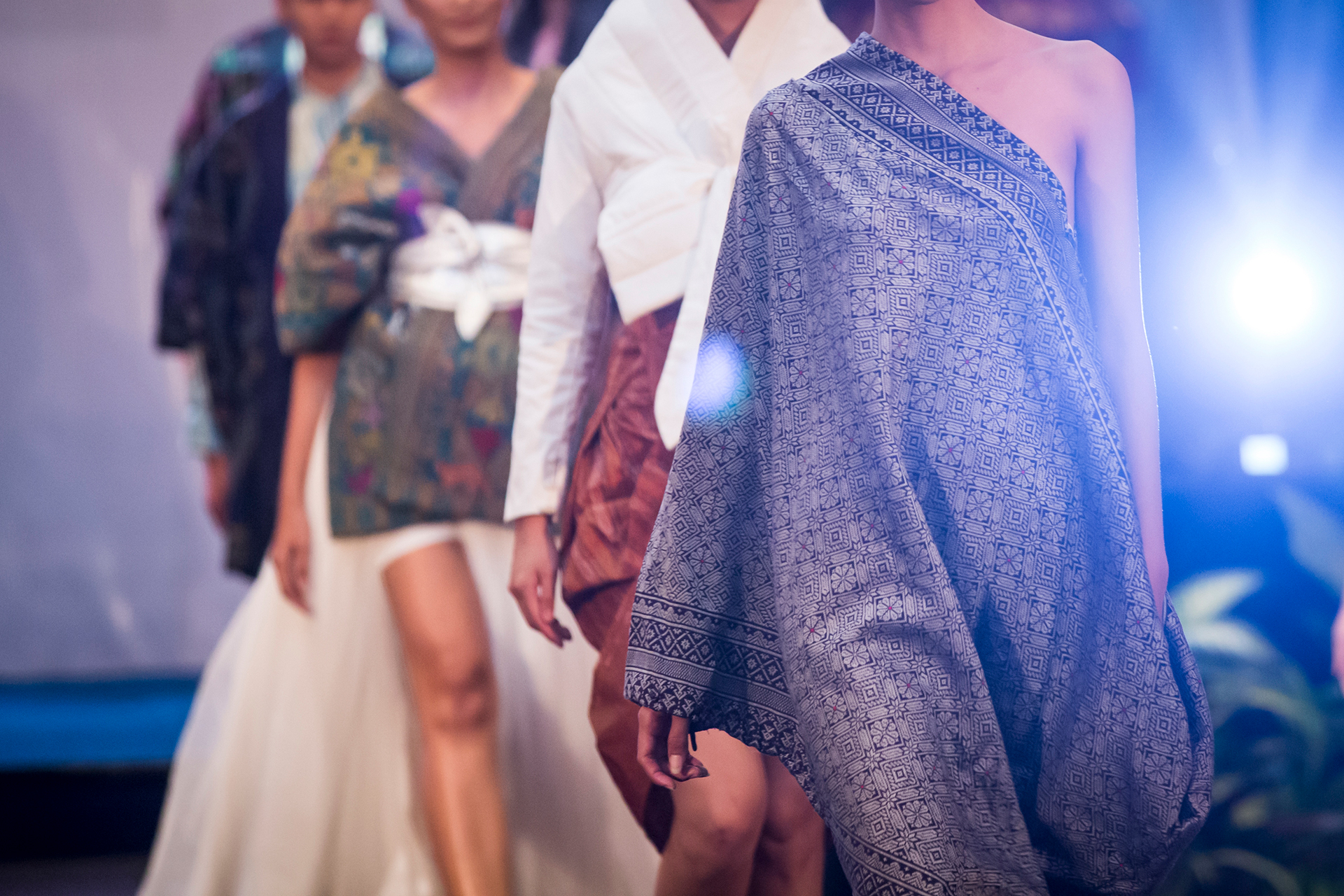
Before the shows take place, it’s still too early to call all of the year’s trends, but we can already spot some strong signals. The N60 edition of São Paulo Fashion Week, which celebrated the event’s 30th anniversary, brought together 38 brands and designers, including debuts from Uó by Marcelo Sommer and Chapéus Davi Ramos, as well as the return of Amir Slama, Flávia Aranha, and Ronaldo Fraga. The edition showcased a multifaceted Brazilian fashion scene that was emotional, technically accomplished, and highly experimental.
Among the strongest signals were blues in a range of shades, volume at the hips, embroidered and textured florals, plaid with an urban edge, reimagined leather, bows, polka dots, and satin sheen.
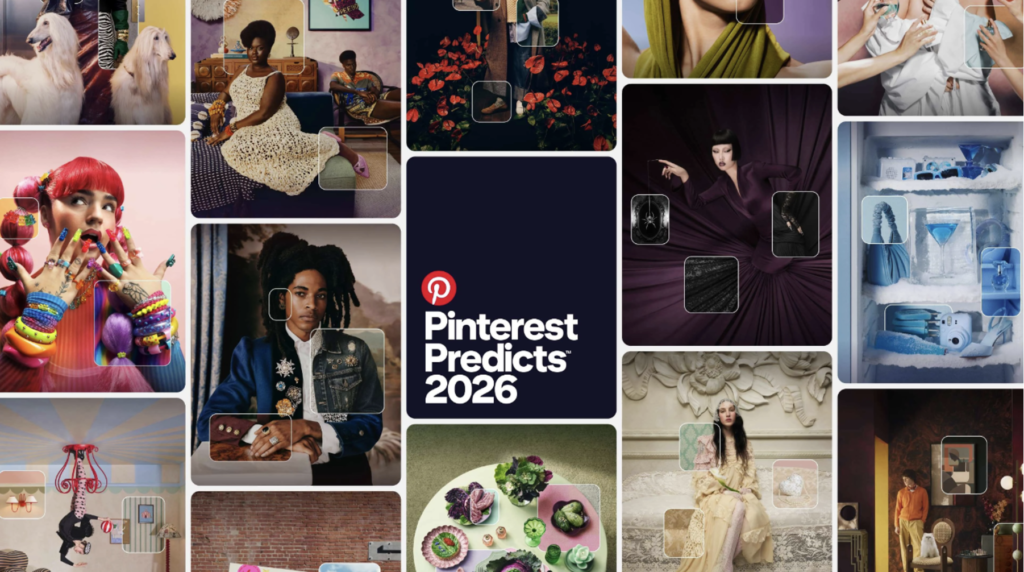
Globally, 2026 fashion trends are also moving toward a more expressive, narrative-driven aesthetic. According to CNN, citing Pinterest Predicts, themes expected to gain traction include bold lace, utility dressing with pockets and khaki, maximalist 1980s glamour, poetcore, and brooches as statement accessories.
In other words, 2026 fashion seems less concerned with looking neutral and more interested in telling stories. Great news for Creators, right?
5 Content Ideas Inspired by SPFW 2026
A single SPFW runway show can spark a look breakdown, reaction video, educational carousel, live commentary, styling guide, cultural critique, behind-the-scenes coverage, reference roundup, inspired editorial shoot, or exclusive community content. The most strategic question is: “How does this conversation connect with my audience?” From there, you can build content in layers. Here are a few ideas.
1. Explainer Content
“What is poetcore, and why could this aesthetic take off in 2026?” This type of content helps people who have seen the term making the rounds but don’t yet know what it means.
2. Curated Content
“5 SPFW 2026 shows to inspire you.” The value here lies in filtering. Your audience doesn’t need to see everything; they need to understand what matters.
3. Behind-the-Scenes Content
“How does a trend emerge before it goes viral?” This angle connects fashion, behavior, and the Creator Economy. It’s ideal for Creators who want to educate their audience without getting stuck in outfit-of-the-day content.
4. Opinion Content
“Is maximalism’s comeback about clothes, or about our fatigue with neutrality?” This format helps sharpen your distinctive point of view and that is a valuable asset for any Creator.
5. Exclusive Content
A deeper analysis of the shows, with references, mood boards, and commentary, can become subscriber-only content. Or even a live reaction stream to a controversial show. The key is to choose a distinctive angle on the event and deliver coverage your audience won’t find anywhere else. That’s how content stops being just another post and starts becoming a community.
What Can SPFW 2026 Teach Us About Content?
The main lesson is simple: good content starts with observation. The runway shows the clothes. The Creator reveals the story behind them.
What does that color communicate, and why is that silhouette returning now? What behavior does an aesthetic reflect? How does a global trend take on a distinctly Brazilian interpretation? And how can a visual reference find its way into everyday life?
SPFW 2026 can be a laboratory for Creators who treat content as a career, not as a string of disconnected posts. And if content creation is already part of your routine, the next step is to explore Flamus and discover new ways to turn exclusive content into community with more structure, autonomy, and support.