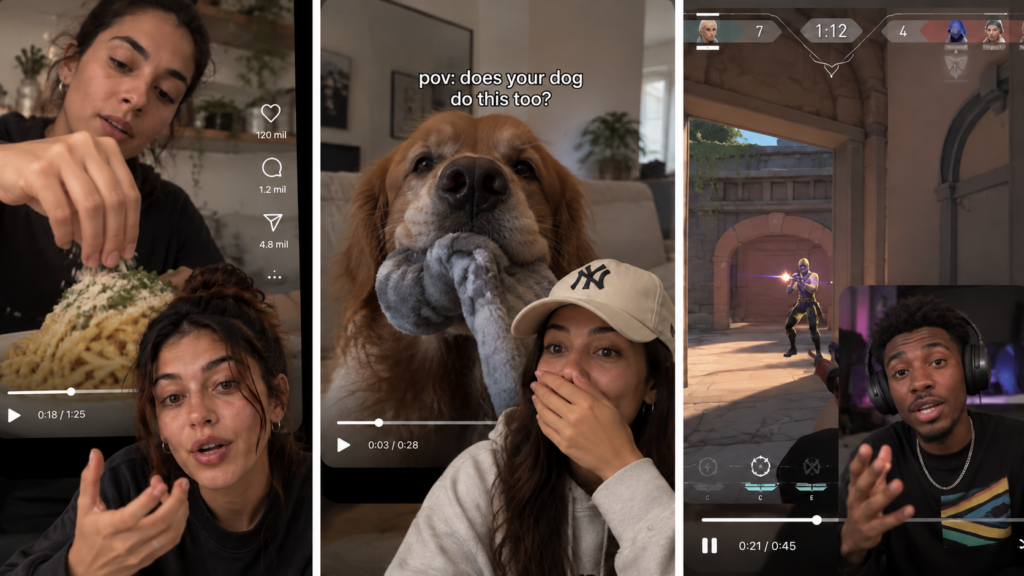
The internet loves anything new, but for a long time it confused newness with youth. Trends change, slang emerges and formats disappear fast. But having something interesting to say has nothing to do with the year you were born.
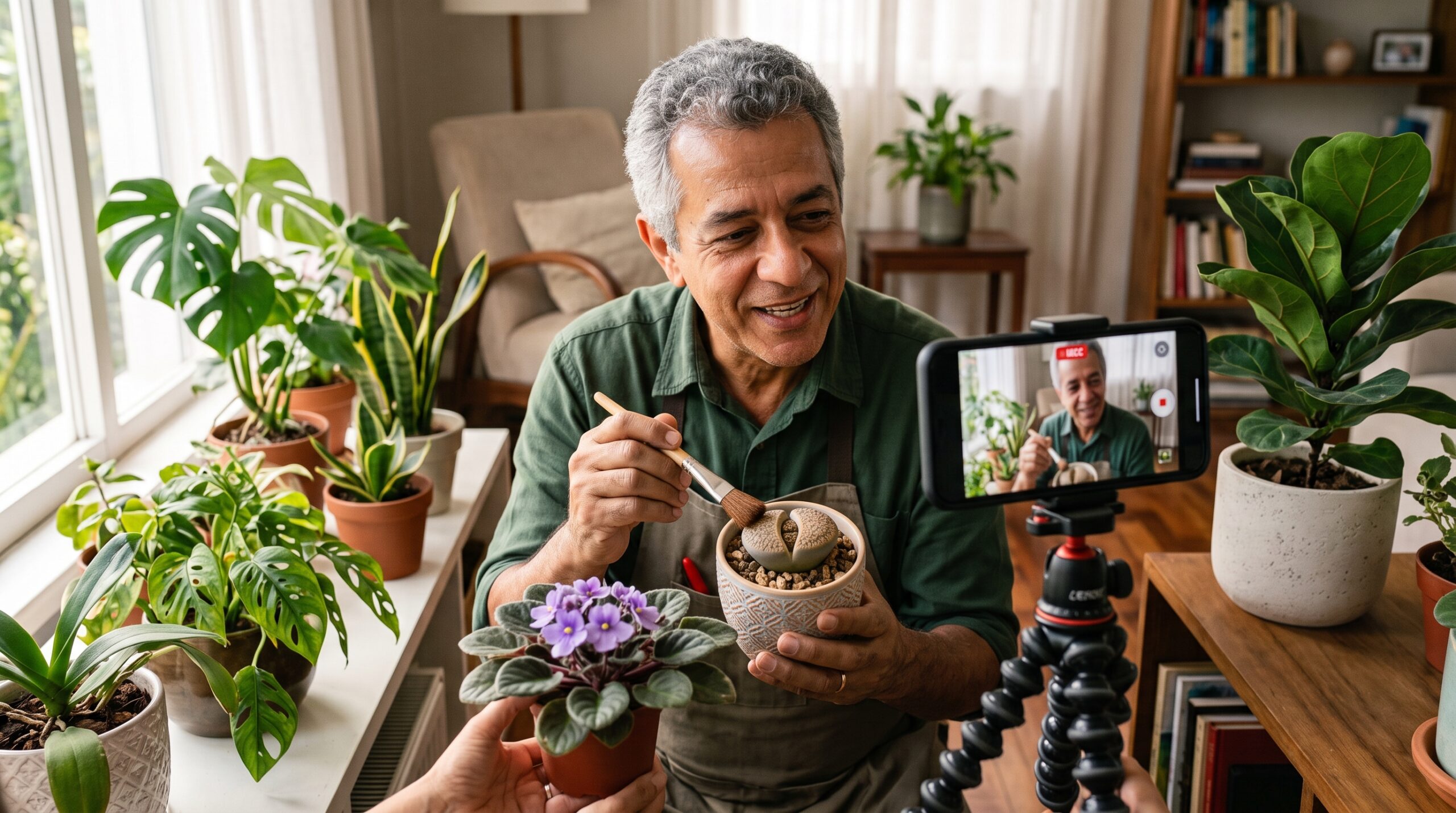
The conversation about older adults and the internet still tends to fall back on the cliché of “learning how to use a phone.” But that no longer tells the whole story. People in their 60s, 70s, 80s and beyond are creating content and gaining followers. Age comes with experience and stories that few younger people have to tell.
There’s room for more generations to create.
Older adults and the internet: being online is no exception
In 2025, 74.5% of people aged 60 or older in Brazil used the internet, according to IBGE’s PNAD TIC survey (up from 70.1% in 2024). Nearly three in four are already online. Their presence is real. The way people see them online just needs to catch up.
Using the internet in later life goes beyond basic tutorials. Talking about a series, sharing a recipe or discussing style: all of this becomes rich content through the lens of someone who has lived longer.
How ageism shows up in the feed
Ageism rarely sounds openly aggressive on social media. It usually comes disguised as surprise or condescending praise: “Wow, she uses TikTok?” or “How cute, he’s using his phone.”
When age becomes a reason to question relevance
Comments like “this platform isn’t for you” or “who’s going to watch that?” put an invisible expiration date on someone’s relevance without even paying attention to what they’re creating.
On the other hand, being older doesn’t automatically make someone an authority either. What holds people’s attention is still the same: a strong point of view, a wealth of knowledge and consistency. The standard is the same for everyone.
When an older Creator becomes a character rather than a professional
Another common habit is turning someone into a meme or a caricature. Labels like “internet grandma” or “the TikTok grandpa” often overshadow the actual content. Age becomes the main focus, even when the conversation is about fashion or humor.
When that happens, the concept, the script and the production work get overlooked. In other words, everything that defines a professional Creator.
The internet in later life is also a place to share experience
When Ivan Lima started at Fatos Desconhecidos, he already had decades of experience in theater and TV. On the channel, he adapted that background to a digital format and created Detective Bira. He says the reach of the internet quickly surpassed everything he had done offline.
Later, when he went solo, that shift became even clearer. Today, his Instagram profile has more than 1 million followers, and his YouTube channel has over 280,000 subscribers. His experience came from the stage, but his community was built in the feed.
Older Creators don’t need to act young to fit into the feed
Vó Izaura shows another way: she built a style of her own by mixing colors, hats and vintage pieces. Her content works because it reflects her personality, without trying to adapt to what younger people are wearing.
Older Creators don’t need to memorize the latest slang or film every trending dance to prove they understand social media. Trends come and go; a voice of your own and authenticity are what really connect.
More generations in the feed mean more possibilities for community
Another misconception is that older Creators only attract people in the same age group. Vó Izaura herself has said that most of her followers are young. Good content doesn’t care about the date of birth on your ID.
Style, humor and good stories can connect anyone. The more age diversity there is in the feed, the richer the conversations and the communities that form around them.
The feed becomes limited when only one kind of profile gets space. Talking about older adults and the internet means recognizing new voices, influences and points of view.
With more generations creating, the internet gains a wider range of experiences and better conversations. And it’s a much better place for it.
At Flamus, we believe in the value of your experience. Create with the background you have, connect with people who value your voice and turn experience into community.