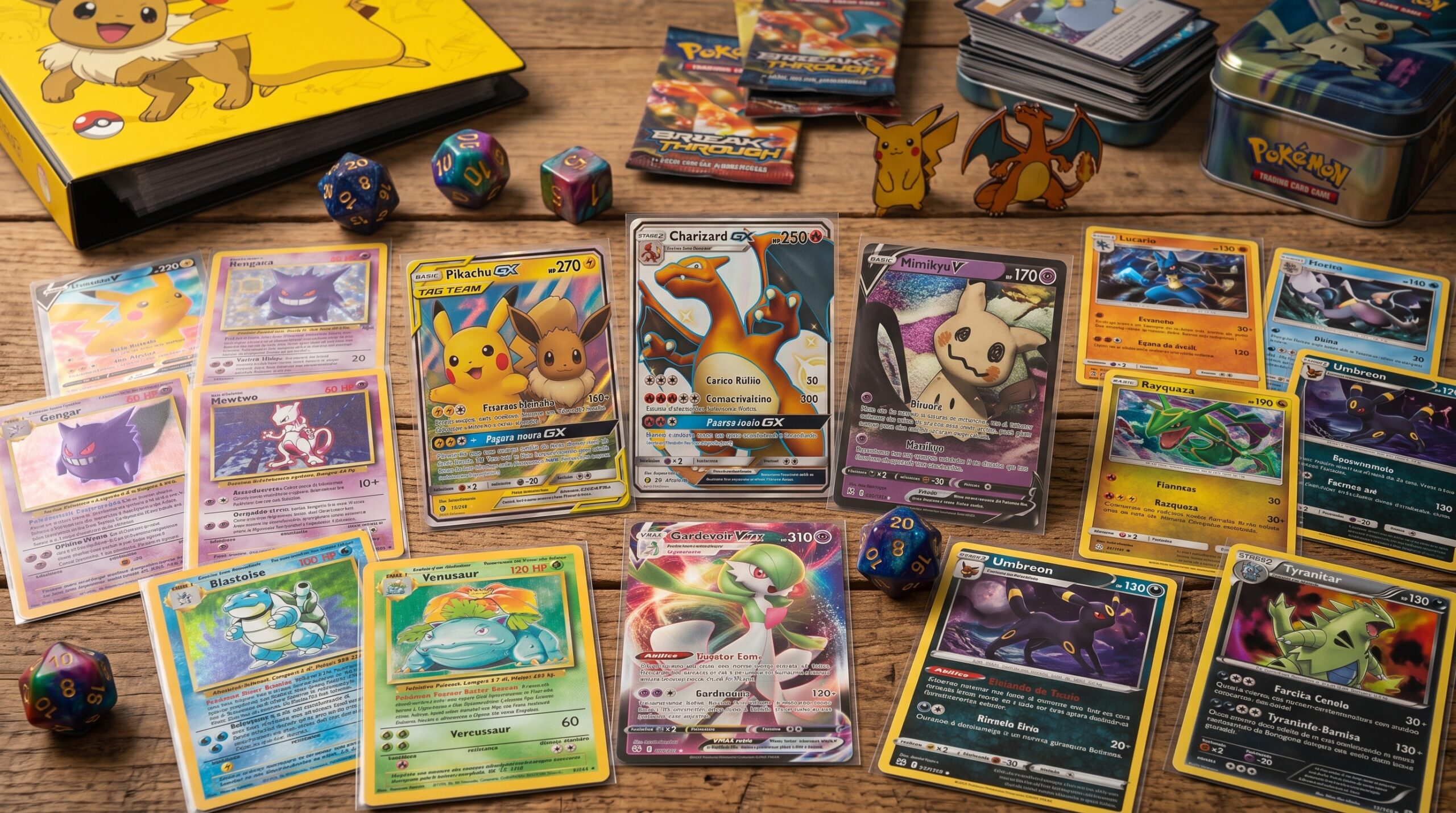
If you remember when Pokémon cards were just for fun, congratulations: you are a longtime fan. One of those people who carried a new pack in their backpack, traded at recess, and kept their Charizard safe.
But just like you, that pastime grew up.
Today, the Pokémon card market brings together collectors, players, sellers, auctions, marketplaces, livestreams, and Creators who turn every pack opening into content.
Here, we will explain how this market works, why it can be so lucrative, and what makes some cards worth so much while others are worth almost nothing.
How the Pokémon card market began
Pokémon began in Japan in 1996, first as a game. Then came the anime and the trading card game, which also became objects of desire around the world.
An old viral video captures that feeling perfectly: a child opens a pack, finds a Blastoise, and bursts with joy. Before they were worth money, those cards were already worth emotion, surprise, and memories.
That mix of gaming, collecting, trading, and nostalgia created the foundation of the market. People who grew up trying to complete their binders helped build a culture that years later gained stores, events, and online communities.
How this market works today
Today, the game has changed. Some people play, collect, resell, look for specific cards, or simply follow it all online.
There is a digital layer too. Pokémon TCG Live expands the experience beyond the physical card, while online packs, apps, and videos keep collecting alive in other formats.
In other words, card value has moved beyond the paper itself and become part of a whole universe of experiences and conversations.
What influences the value of Pokémon cards
Card prices vary according to rarity, edition, year, character, condition, demand, and confidence in authenticity. That is why two similar cards can have different values.
The official Pokémon TCG database lets you search for cards by name, rarity, expansion, format, and illustrator. Every detail helps distinguish one card from another and define its market price.
1. Rare cards
Rare cards stand out because they appear less often or were produced in smaller quantities.
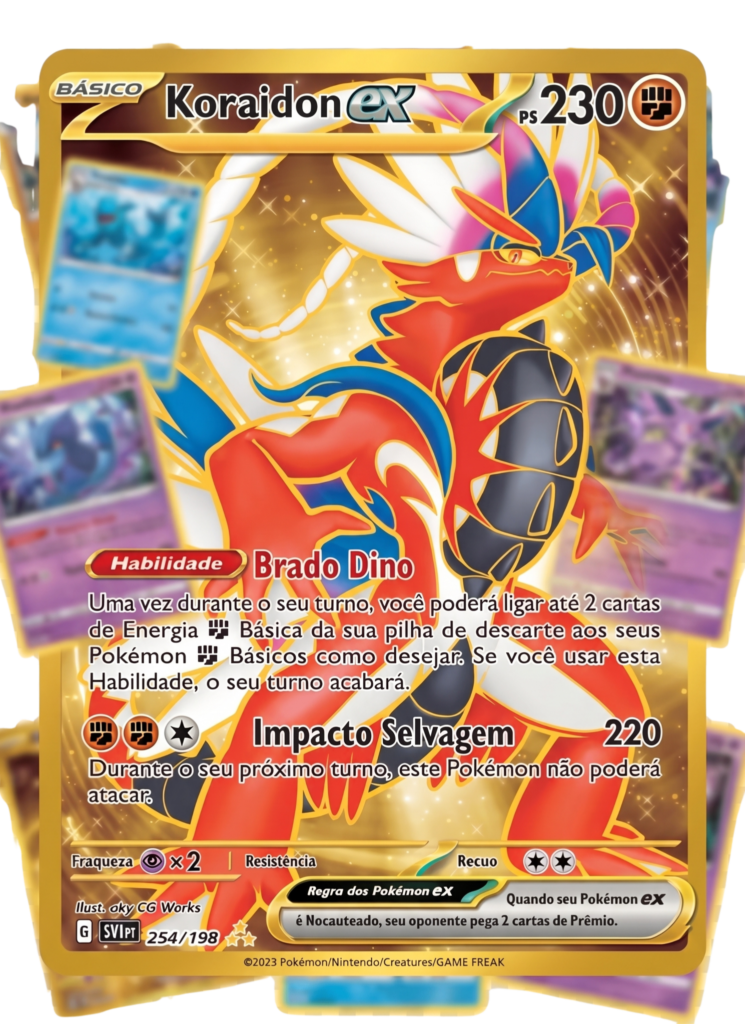
One example is the Scarlet & Violet base set, where some cards classified as “Illustration Rare” had only a 0.32% chance of appearing in a booster pack.
But rarity alone does not solve everything. A card can be hard to find and still not spark much interest. The market also looks at the character, edition, demand, and cultural moment.
2. Older cards and popular characters
Older cards carry nostalgia. The earliest collections often have greater emotional weight, especially for people who grew up with Pokémon. When they are well preserved, they bring together emotional memories and scarcity.
Some characters also hold more cultural power than others. Charizard, for example, became an object of desire among collectors because it brings together three hard to ignore qualities: the nostalgia of choosing Charmander first, the visual impact of a fire dragon, and its presence in highly sought after older cards.
Pikachu, Tyranitar, Lucario, and Mimikyu also attract attention for different reasons. Pikachu is the face of the franchise. Lucario has a heroic appeal. Tyranitar resonates with people who like stronger, more imposing creatures. Mimikyu, meanwhile, won fans over through its story of wanting to be accepted.
Every generation of fans has its own favorite. In the Pokémon card market, that emotional bond also helps explain why some pieces gain so much symbolic value.
3. Cards in good condition
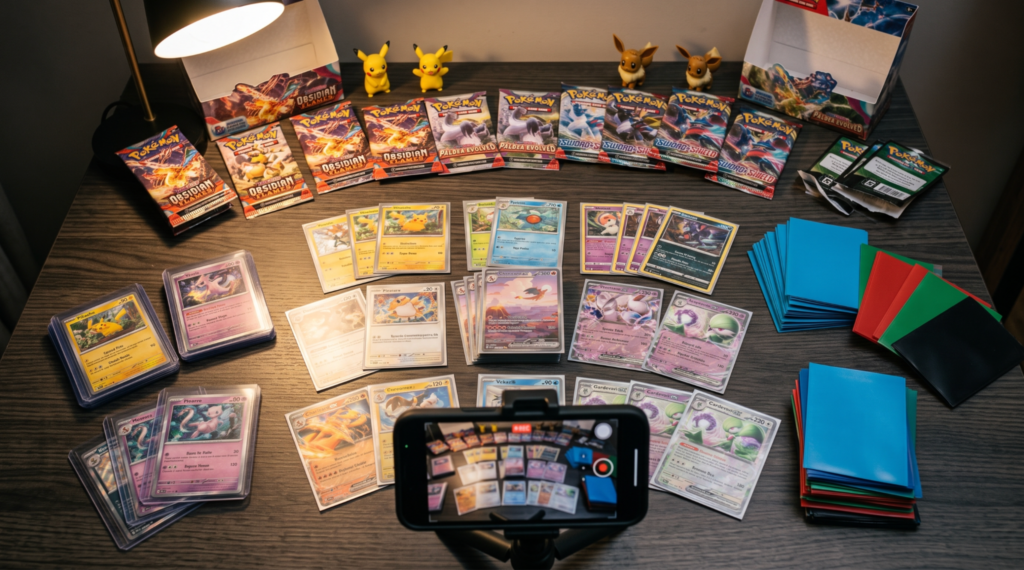
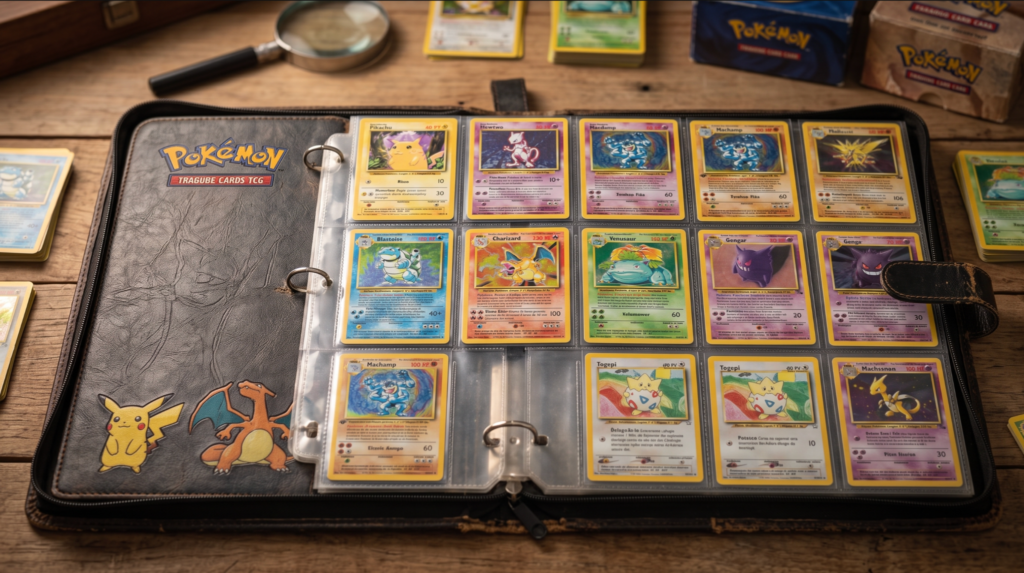
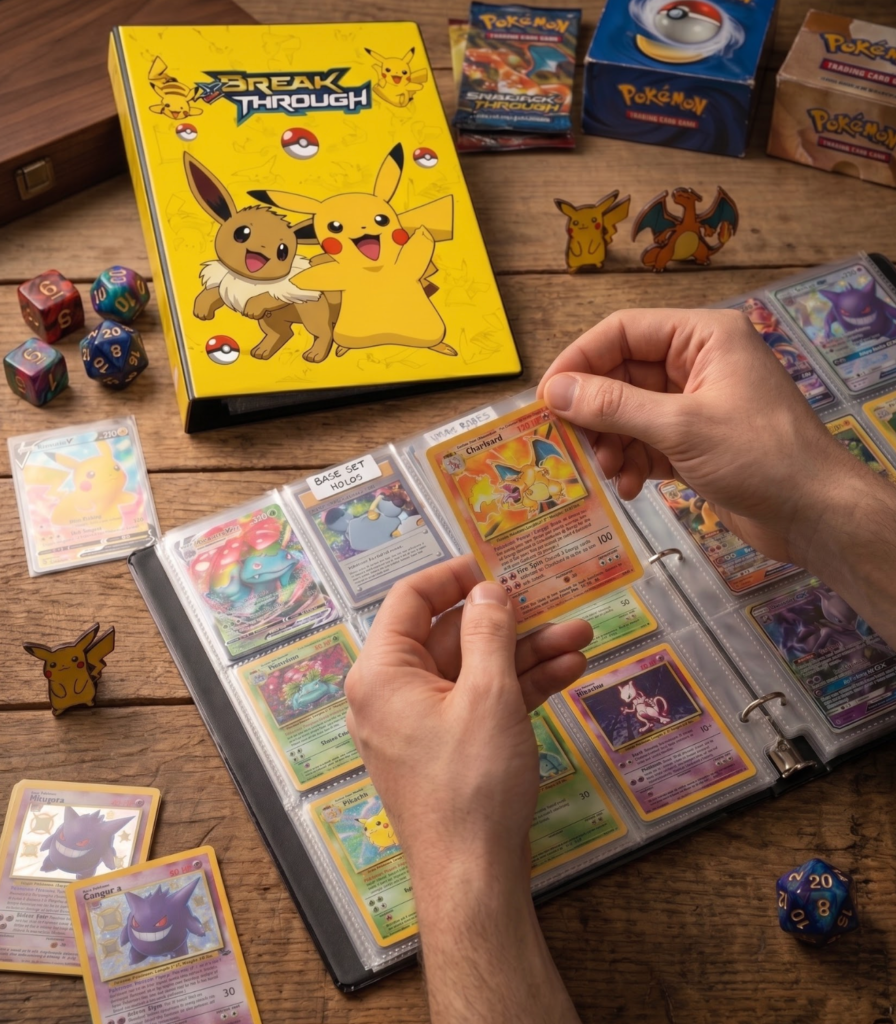
Creases, scratches, stains, worn edges, and loss of shine can reduce buyer interest. That is why sleeves, binders, and proper storage are part of caring for a collection.
Where to buy and sell Pokémon cards
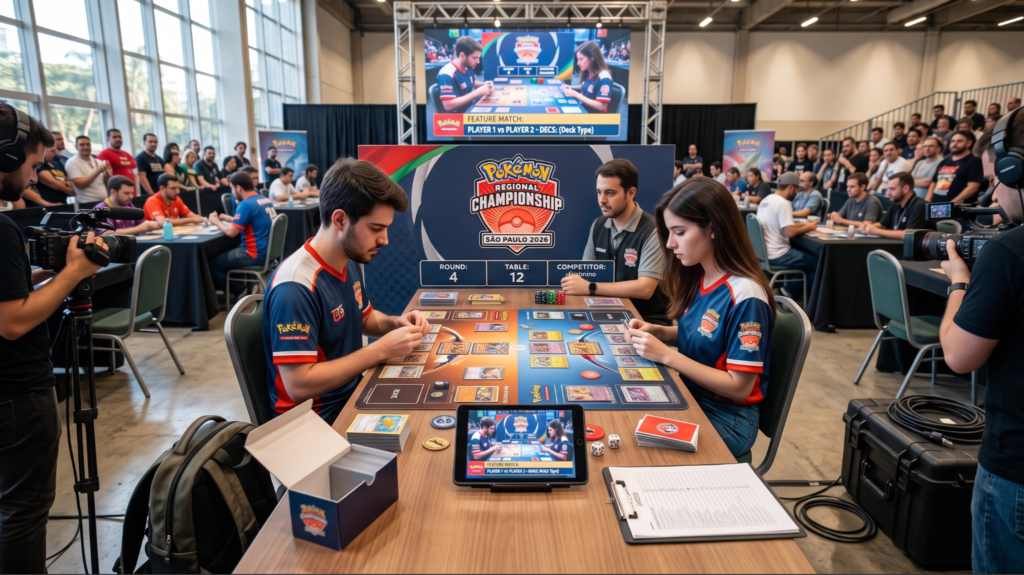
Pokémon cards are bought and sold through marketplaces, stores, groups, events, auctions, and live broadcasts.
People who create content about Pokémon cards can help their audience enjoy the hobby more safely and avoid scams. A Creator plays an important role by explaining editions, comparing prices, and warning about counterfeits.
They are the bridge between people who are just getting started and a community with its own shared language.
Important care along the way
Like anything driven by desire and collecting, the Pokémon card market is affected by counterfeits, tampered packs, prices inflated by hype, impulse buying, and low liquidity, which is the ease of turning a card into money without losing much value in the process.
Pokémon’s official support warns that counterfeit products exist and that prices that seem too good to be true can be a warning sign. It also explains that it does not determine card resale value, because secondary market prices depend on what the community wants and needs.
That is why educational content helps beginners avoid buying only on excitement and strengthens trust in the hobby and in card authenticity. One extra way to spot a counterfeit card is the light test: original Pokémon cards have a specific internal construction, so a counterfeit may let too much or too little light through.
Important: this technique can help, but it is not 100% guaranteed.
Ignite your Pokémon passion
The Pokémon card market shows how a hobby can become culture, a market, and content at the same time.
At Flamus, Creators in gaming, collectibles, and pop culture turn this knowledge into exclusive content and a closer relationship with their communities.
Explore more gaming and geek culture content on your Flamus profile.