The difference between an audience and a community changes how you think about content. Strong digital communities grow when there is a shared identity, participation, and recognition, even when the audience is not large.
So yes, you can build a strong community without having a massive follower count.
1. Build a Recognizable Identity
Before building an online community, people need to recognize your universe. Tone of voice, visual style, colors, intros, and recurring formats all create a sense of familiarity.
Jaqueline Guerreiro is a great example. The Creator turned recurring elements into part of her channel’s identity: “on Wednesdays we wear pink” and “Thursdays are mysterious.” This is not just an editorial calendar. It is a code the audience learns to recognize.

2. Develop Your Own Language With the Fan Community
If identity helps people recognize you, language helps them recognize themselves within the community.
Déia Freitas does this on Não Inviabilize. Names like Picolé de Limão, Luz Acesa, Patada, and Histórias da Firma have taken on their own meaning within the podcast’s universe. For anyone who follows the show, just hearing the segment’s name is enough to know what kind of story is coming.

3. Let the Digital Community Take Part in Decisions
Polls, livestreams, questions, and votes become more powerful when the audience realizes their response had a real impact.
Corrida das Blogueiras, by Diva Depressão, takes this idea of community engagement to the next level: in the finals, the audience votes on who should win the season. Participation stops being a detail and directly shapes the content’s outcome.

4. Create Exclusive Content for Digital Communities
Exclusivity can mean access to stories, behind-the-scenes moments, formats, or experiences that deepen the relationship with people who choose to come closer.
Não Inviabilize is a good example again: in addition to its free segments, it offers exclusive formats for subscribers, such as Segredo, Cadeirada, and Proibidão. A subscription opens up a new layer of that same universe.
5. Recognize Your Fan Community
Some people are always there: commenting, sharing, sending suggestions, and supporting you financially. Acknowledging their presence shows that the relationship does not flow in only one direction.
Nath Finanças turns this into a community code with #OrgulhodaNath. On Nath Play, the brand encourages followers to share their achievements and tag the profile, giving the community itself greater visibility.

6. Bring the Community From Online Into the Real World
Events and meetups create something the feed cannot fully reproduce: shared memories.
Jovem Nerd brought this idea to NerdCon in 2026. The first official convention brought the community together in São Paulo for a live NerdCast, activations, and spaces where fans could meet. The bond built over years online gained a physical home.

7. Turn Recurring Engagement Into a Sustainable Relationship
After building codes, participation, recognition, and experiences, it is worth thinking about how to sustain the relationship over time.
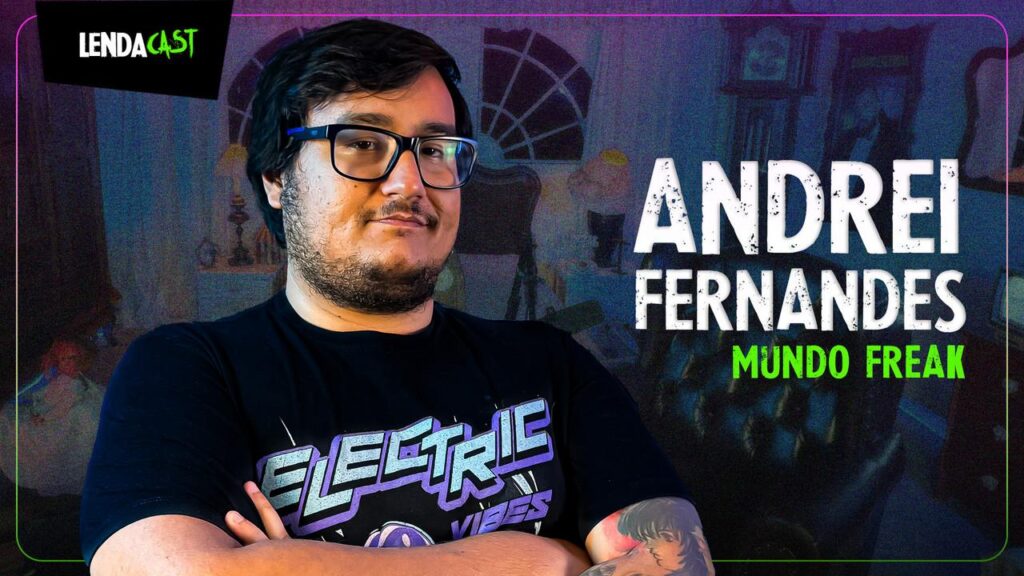
Mundo Freak is a great example of recurring funding. The project says monthly support brought more stability to production and made it possible to offer behind-the-scenes content and special experiences to supporters.
See how a strong community is not just an audience that keeps coming back? It is an audience that recognizes the codes, takes part, feels seen, and creates memories alongside the Creator.