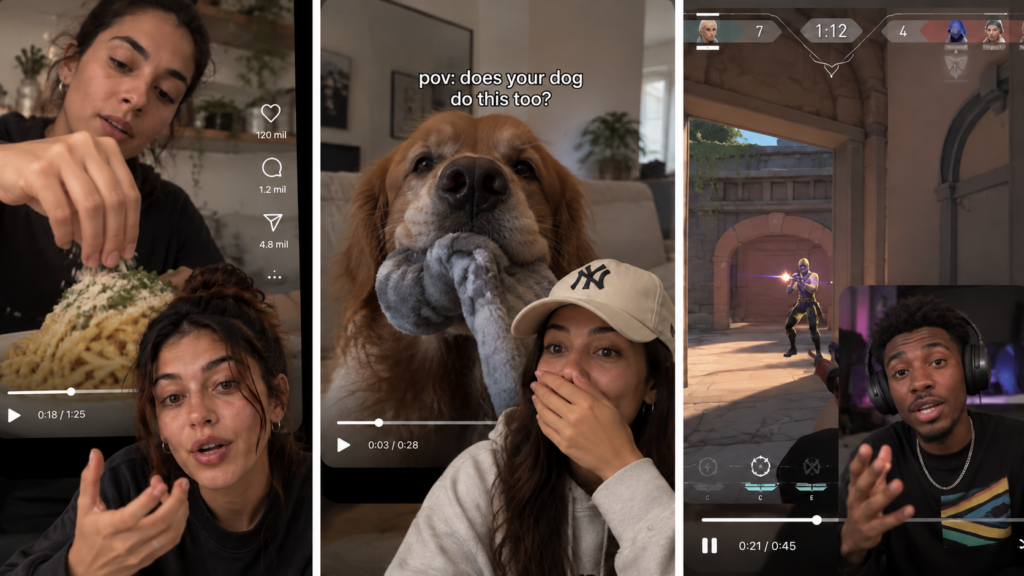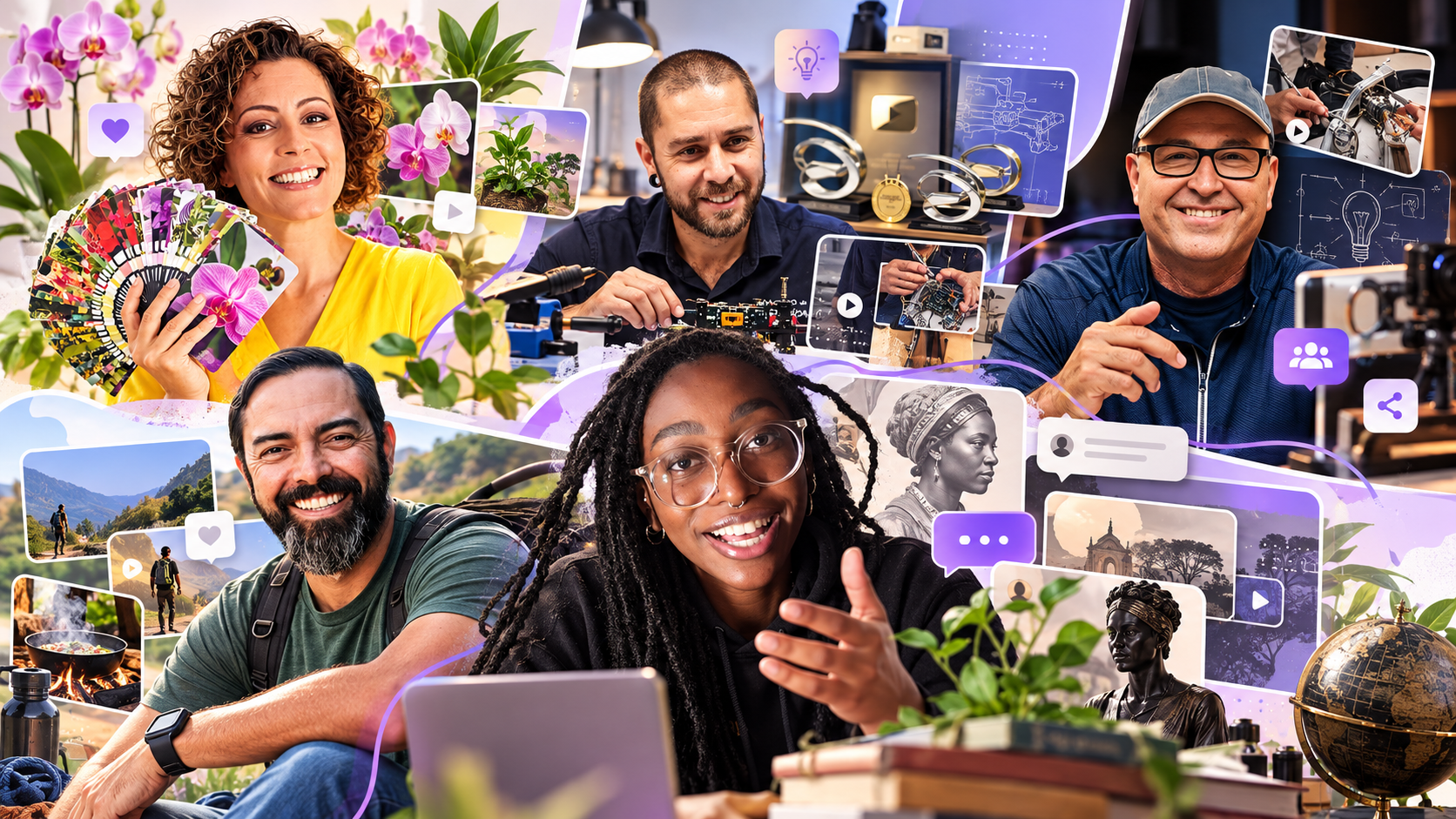
People are teaching others how to care for a monstera, interpret a song, change a tire, or spot a rare Pokémon card. In different ways, they are all doing the same thing: turning knowledge into educational content.
Education Creators, or Creators in the education niche, are people who use content to teach, explain a subject, or share a skill. That can mean traditional subjects, gardening, pop culture, electrical work, collecting, or almost any knowledge that sparks an interest.
In digital education, you do not have to teach everyone. You just need to find the right people for what you know.
What Education Creators are and why they thrive in niches
Education Creators are content Creators who help their audience learn something. It could be a school subject, a profession, a hobby, pop culture, or an everyday skill.
Niches thrive because the internet brings together people who might never find themselves in the same room. They also offer skills that are not usually taught in traditional educational settings, such as schools and universities. A specific question meets a specific search and, little by little, a community can take shape. That is why the world of education influencers is much bigger than it seems.
The era of education influencers: where there is interest, there is an audience
How the internet connects people with specific interests
The more specific the subject, the easier it is for someone who cares about it to recognize that the content was made for them. Planted aquariums, fashion history, home electrical work, or furniture restoration may seem like small topics until you meet the people who spend hours researching them.
From traditional knowledge to unexpected topics
The internet has broadened what we consider educational content. Teaching can also mean explaining a cultural reference, showing someone how to care for a plant, or unpacking a hobby with its own language and conventions.
Microcommunities and specialized learning
When a topic brings together people who are curious about it, the conversation tends to keep going. Questions become comments, comments become new content, and learning starts to happen as a community.
The advantage of teaching highly engaged audiences
For education influencers, a smaller audience with a strong interest can be worth more than broad reach. People looking for that knowledge tend to come back, ask questions, and learn more.
Education influencers who grew by teaching specific subjects
Hobbies: Carol Costa
Carol Costa turned her interest in gardening into Minhas Plantas, an ecosystem of videos, books, and courses that makes botany accessible to people who just wanted to stop killing their plants.

Niche professions: Henrique Mattede
Through Mundo da Elétrica, Henrique Mattede brought lessons and technical content about electricity online. Specialized professional knowledge found a digital voice and an audience of its own.

Culture: Preta Letrada
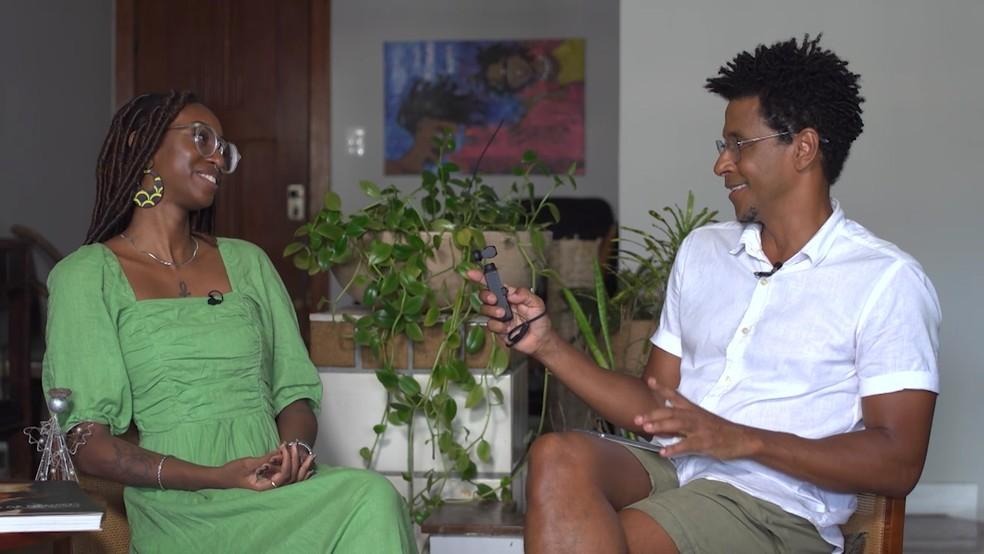
On Flamus, Preta Letrada connects Black culture, ancestry, literature, film, music, and everyday events. Learning happens through context: she draws on cultural knowledge to open up questions and conversations.
Collecting: Pat Flynn / Deep Pocket Monster
Pat Flynn turned his Pokémon card hobby into content on Deep Pocket Monster. Collecting became a source of stories and information for people who want to understand that world better.

Overlooked skills: Rob Kenney / Dad, How Do I?
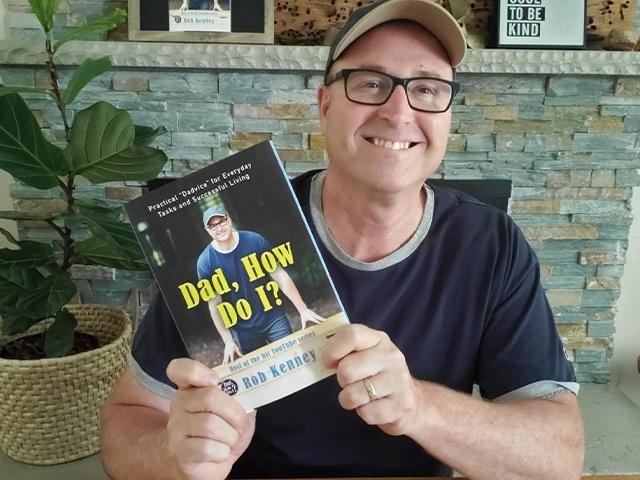
Rob Kenney built Dad, How Do I? by teaching tasks that many people learn at home, such as changing a tire, using tools, or tying a tie. Everyday life is an educational niche too.
How Education Creators can monetize niche educational content
- Paid communities: bring together people who want to keep learning and exchanging ideas about a subject.
- Mentoring: turns experience into closer, more personalized guidance.
- Live classes: make room to explore topics further and answer questions in real time.
- Exclusive content: takes the conversation beyond the feed and offers more context for people who want to learn more.
- Digital products: courses, guides, and other materials organize knowledge into formats people can return to again and again.
You do not have to teach everyone
In digital education, a seemingly small subject can mean a lot to the right people. The knowledge that feels ordinary to you might be exactly what someone is trying to learn right now.
If someone wants to learn what you know, there is room to turn that knowledge into content. On Flamus, you can bring that community together, create exclusive content, and find new ways to monetize what you know. Start creating.