Talking about clothes seems simple until someone says a skirt “doesn’t suit” a man, a blazer makes a woman look “more masculine,” or a dress is “too much” for a particular occasion.
When clothing stops being just fabric and starts “speaking” about gender, class, belonging, power, desire, resistance, or the effort to fit in, it becomes part of the language of fashion.
The other day, I was reading the newsletter of styling icon Thais Farage and was fascinated by a term she brought up that I hadn’t heard before: clothing as a pretext.
It’s the idea of using clothes as a starting point for conversations about culture, behavior, and society. In other words, the real discussion is often a few layers beneath the look.
Have you ever stopped to think about it that way? Let’s get into it!
What is the language of fashion?
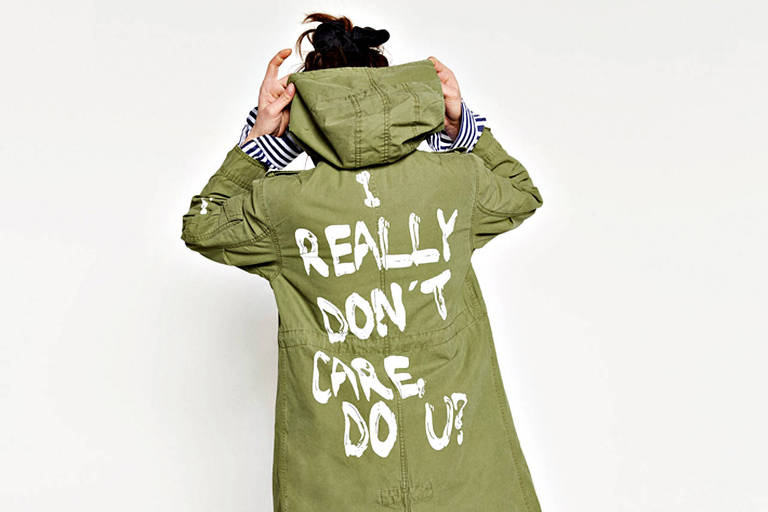
Clothes arrive before words do. They can suggest a profession, a group, a taste in music, a religion, a social position, a lifestyle, or the desire not to be associated with a particular point of view.
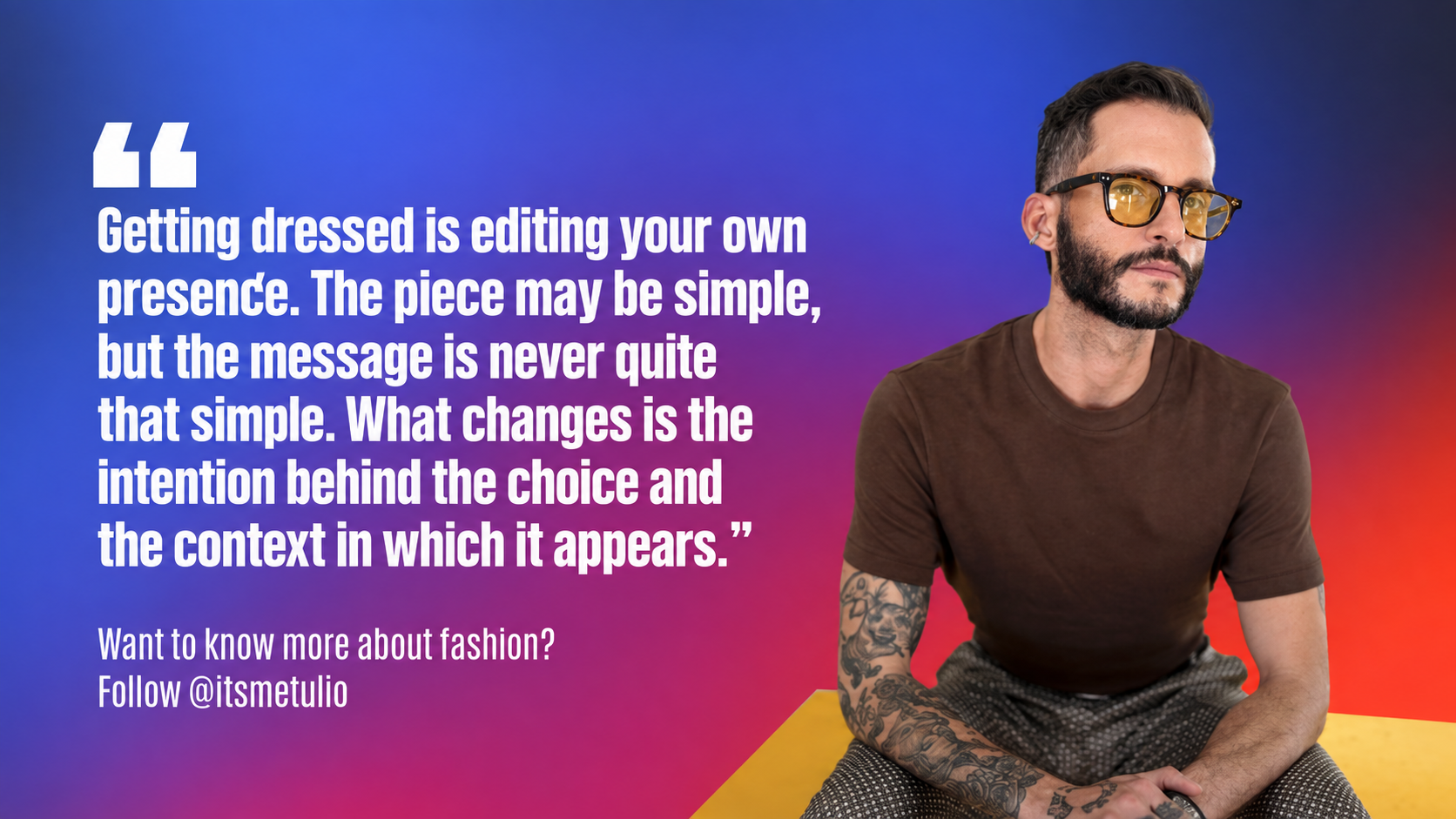
As Túlio Melles, a Flamus Creator and image consultant, puts it:
“Getting dressed is editing your own presence. The piece may be simple, but the message is never quite that simple. What changes is the intention behind the choice and the context in which it appears.”
But no item of clothing has a fixed meaning. A suit can convey authority in one setting and discomfort in another. A sweatshirt can look careless or signal belonging, depending on the context. A white T-shirt can be “just a basic” or part of a carefully considered outfit.
Clothing as a pretext: when fashion starts a social conversation
The power of “clothing as a pretext” is that it opens a door. We start talking about pants, skirts, necklines, blazers, or uniforms and, suddenly, we’re talking about morality, work, gender, respect, freedom, and control.
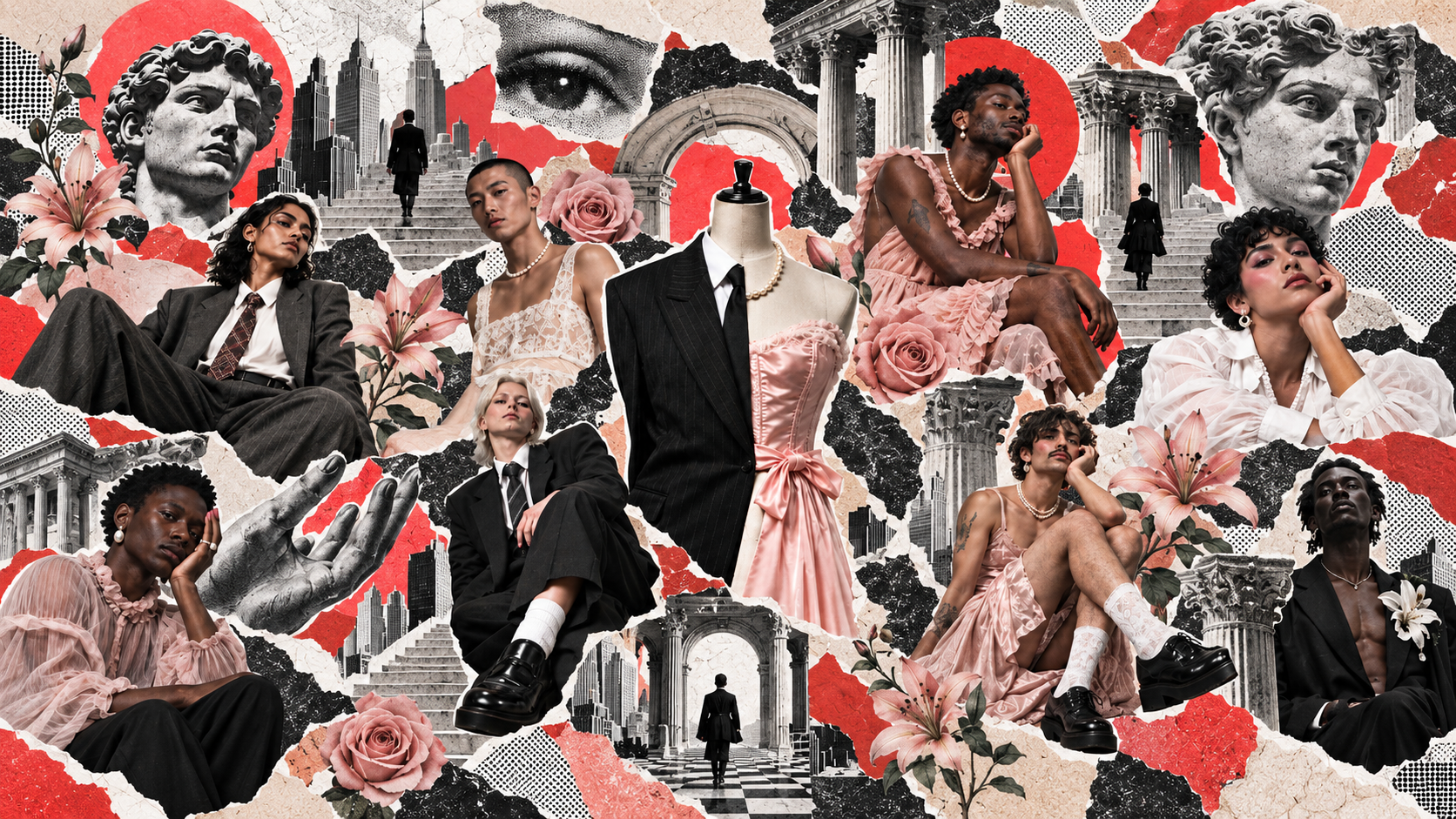
It happens when a woman wears tailoring and is seen as powerful. When a man wears a skirt and has to explain his choice. When a group’s aesthetic becomes a sign of belonging. Or when the “appropriate” look changes depending on someone’s body, age, class, or the occasion.
Fashion and gender: what clothes reveal about power
The arrival of clothes considered masculine in women’s wardrobes says a lot about access to spaces of power. Pants, shirts, suits, and tailoring have accompanied women’s growing presence in public life, work, and the world beyond the home.
But that exchange has never been entirely neutral.
When women wear masculine-coded clothes, they often take on symbols that have historically been valued: authority, seriousness, rationality, and command. The reverse still tends to meet more resistance.
Elements associated with femininity, such as skirts, makeup, sparkle, small handbags, heels, or delicacy, are still read as provocative, fragile, or a loss of status when worn by men.
Which raises the question: why is masculinity so often read as power, while femininity still has to explain itself?
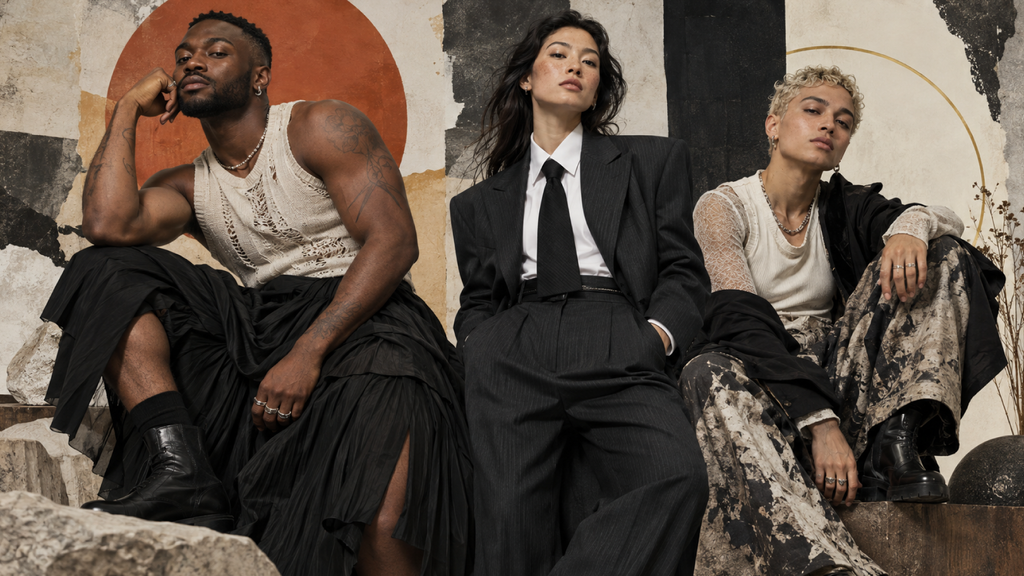
Genderless clothing and the limits of “neutral”
What we call genderless clothing today usually means loose fits, muted colors, straight cuts, and pieces less defined by traditional masculine and feminine codes.
That makes room for more freedom. But it also calls for attention.
Aesthetic neutrality does not mean social neutrality. A piece can be sold as neutral and still be read differently depending on who wears it. A woman in a blazer may be called elegant, while a man in a skirt may become a target of prejudice.
Clothing is content, too
We dress to belong to groups: music scenes, workplaces, fandoms, religions, gyms, streetwear culture, quiet luxury, minimalism, goth, vintage. And we dress to create distance, too: rejecting a trend, avoiding a brand, stepping away from formality, or choosing a different symbol.
Every look has lore. From the outside, it may seem like nothing but aesthetics. People on the inside know the code before they read the caption. That’s #LookComContexto.
For fashion Creators, there’s a huge opportunity here. Talking about clothes can mean talking about cultural references, identity, and ways of seeing the world, not just shopping.
In communities, that conversation can happen more freely: less snap judgment, more perspectives, more listening, and more context.
On Flamus, content Creators can create spaces with exclusive information, closer exchanges, and conversations about style, culture, and identity.