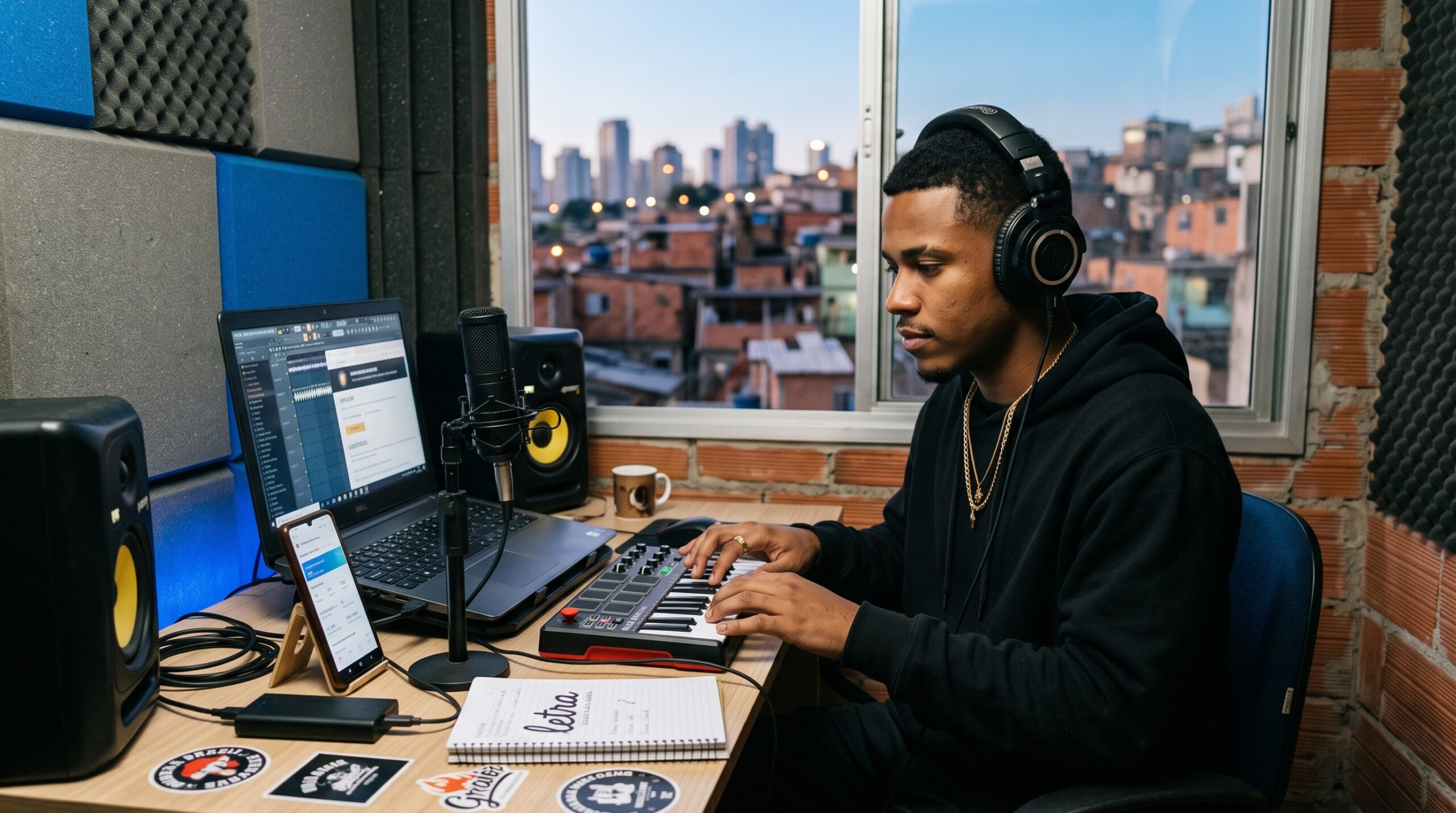
#TrapBR was born digital. Not just because it spreads through YouTube, TikTok and Instagram, but because the sound itself follows that logic: made on a computer, with 808s making their presence felt, processed vocals and an edited aesthetic.
For a long time, many artists thought the path was to record, sign with a label and then find an audience. In this scene, many have reversed that order.
As digital tools have evolved, a trap producer can also write songs, cook up their own tracks and manage their community.
And that carries a lesson for any artist or music content Creator: a great track draws people in, but the world around it is what keeps fans coming back.
That is the beat that gives independence its momentum.
How Brazilian Trap Became a Visual Identity, a Conversation and a Way of Life
The genre did not spread on the strength of its sound alone. It took off because it became a scene.
Stylish music videos and the artists’ carefully crafted looks helped audiences recognize this branch of rap as an identity of its own.
And there is another point worth noticing: in Brazilian trap and on the international scene, producers often shape the mood of the track too. The beat, the choice of sounds, vocal effects and sonic texture are not just technical details. They help tell a story that reaches far beyond the music.
“Plaqtudum”, by Recayd Mob, captures this spirit. It had collective energy, irreverence and the language of the internet. It felt made for people who already knew the scene’s codes, like a meme you get before anyone explains it.
Trap Artists Are Creators Too
Matuê turned his aesthetic, sound and independent operation into a brand. Kyan builds a strong identity around the places and language that shaped him. Sidoka built a sonic presence that is hard to mistake for anyone else’s.
Want to take inspiration from them? The point is not to copy their paths. It is to spot the pattern: many trap artists grew online because they build a presence there, also acting as content Creators.
Behind the Scenes Is Part of the Release
A video in the studio, a preview recorded on a phone or a conversation with the producer brings fans into the process before the music reaches streaming platforms.
And that is a smart way to hold their attention. As Marvin, an artist on the scene, puts it:
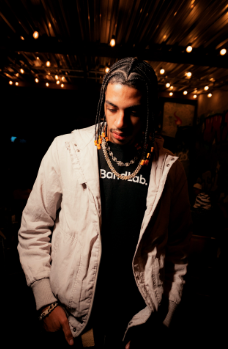
“These days, a release starts before the song comes out. Sometimes a behind-the-scenes clip in the studio, a preview in a story or a comment from the audience already makes people feel like they are part of the track.”
It is almost like switching on fan detective mode: someone hears eight seconds of a beat, sends it to a group chat and starts guessing the feature, cover art, release date and track title.
That buildup matters because it turns the release into a story. The song does not arrive out of nowhere. People are already waiting for it.
(Image: Archive | Reproduction)
How to Make Money Without a Record Label
Building a career without a label is not just a matter of posting music and hoping the algorithm wakes up in a good mood.
Streaming gets a track into circulation, but relying on it alone leaves a career vulnerable. So here are a few ways to monetize:
- Live shows turn digital attention into a real-world presence;
- Collabs bring scenes and audiences together;
- Merch works when the aesthetic is strong enough to become a symbol of belonging;
- Exclusive content belongs on the setlist too;
- Previews, alternative versions, behind-the-scenes moments, reflections on the process and more personal conversations can strengthen the bond with people who want more than the finished release.
Artistic Independence Needs Structure Too
Looks like a lot to do on your own, right?

(Image: GIPHY | Reproduction)
So independence does not turn into exhaustion, scattered efforts and trouble monetizing, music Creators need to turn their content into an asset for their #CreativeCareer.
Flamus arrived in Brazil to be exactly that space, where Creators can bring fans closer, share exclusive content and build a more direct relationship with those who truly follow their work.