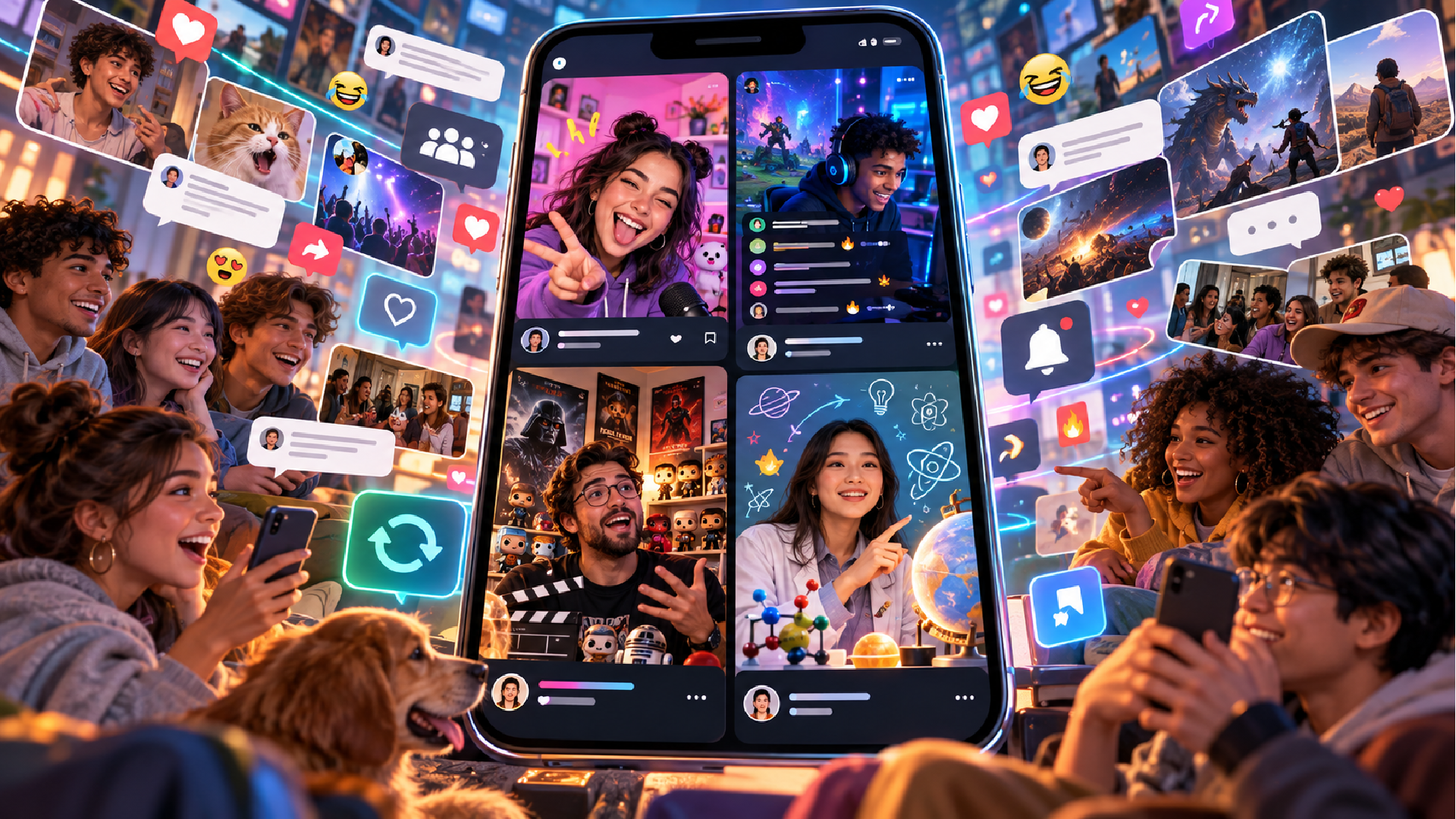
A joke, a reaction video, a live stream, and a biology explainer appear side by side in the feed. In seconds, they are all competing for the same thing: your next second of attention.
That is where Creator Entertainment comes in. It is digital content designed to entertain, combining personality, storytelling, and formats such as comedy, reaction videos, live streams, gaming, pop culture, and even educational content to attract and hold an audience’s attention. You might find it on a channel about games, film, science, or true crime.
The scale of that competition shows up in the numbers. In 2025, YouTube reported that viewers watched an average of more than 1 billion hours of content per day on TVs alone.
Entertainment is no longer just a category. It has become a language that different Creators use to explain, comment, and connect.
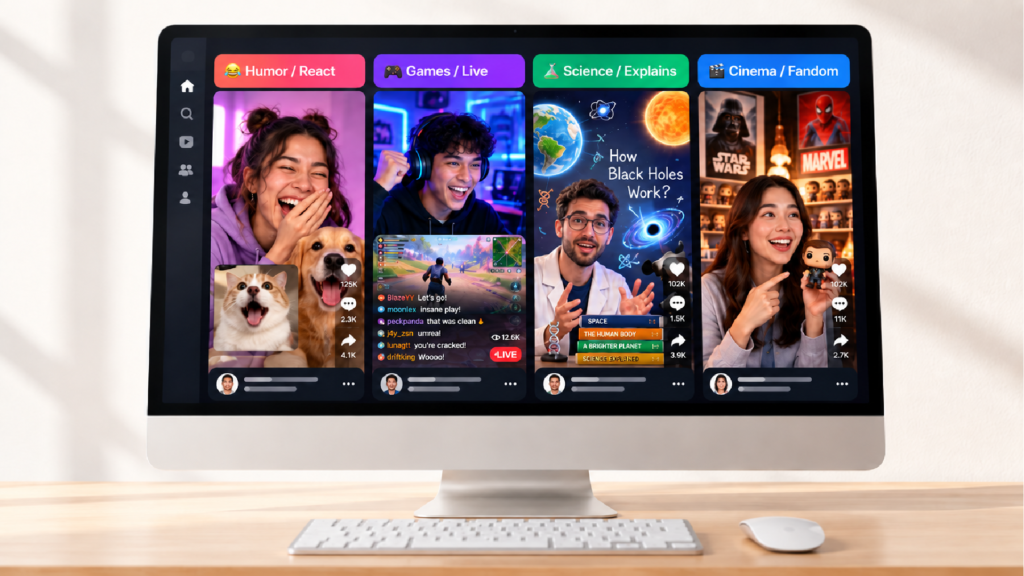
What are the main niches and formats of Creator Entertainment?
Comedy, reaction videos, and commentary
You know that video you recognize before you even check the @handle? Maybe it is the editing, a familiar expression, or the style of commentary. Comedy and reaction videos create instant recognition. For a Creator, developing a voice of their own matters more than simply chasing the next trend.
Pop culture, film, and fandom
Here, the credits roll and the conversation keeps going. A premiere sparks a theory, the theory becomes a meme, and before you know it, the fandom has built an entire lore. The Creator becomes a gathering point by organizing references and giving the community new reasons to keep talking.

(Image: Tenor | Reproduction)
Games, true crime, and live streams: content that brings people back
Some formats thrive on continuity. A match builds anticipation for the next live stream, a true-crime case becomes several video podcast episodes, and a broadcast develops inside jokes that only regular viewers understand. The podcast Modus Operandi, for example, presents real crimes with context and reflection.
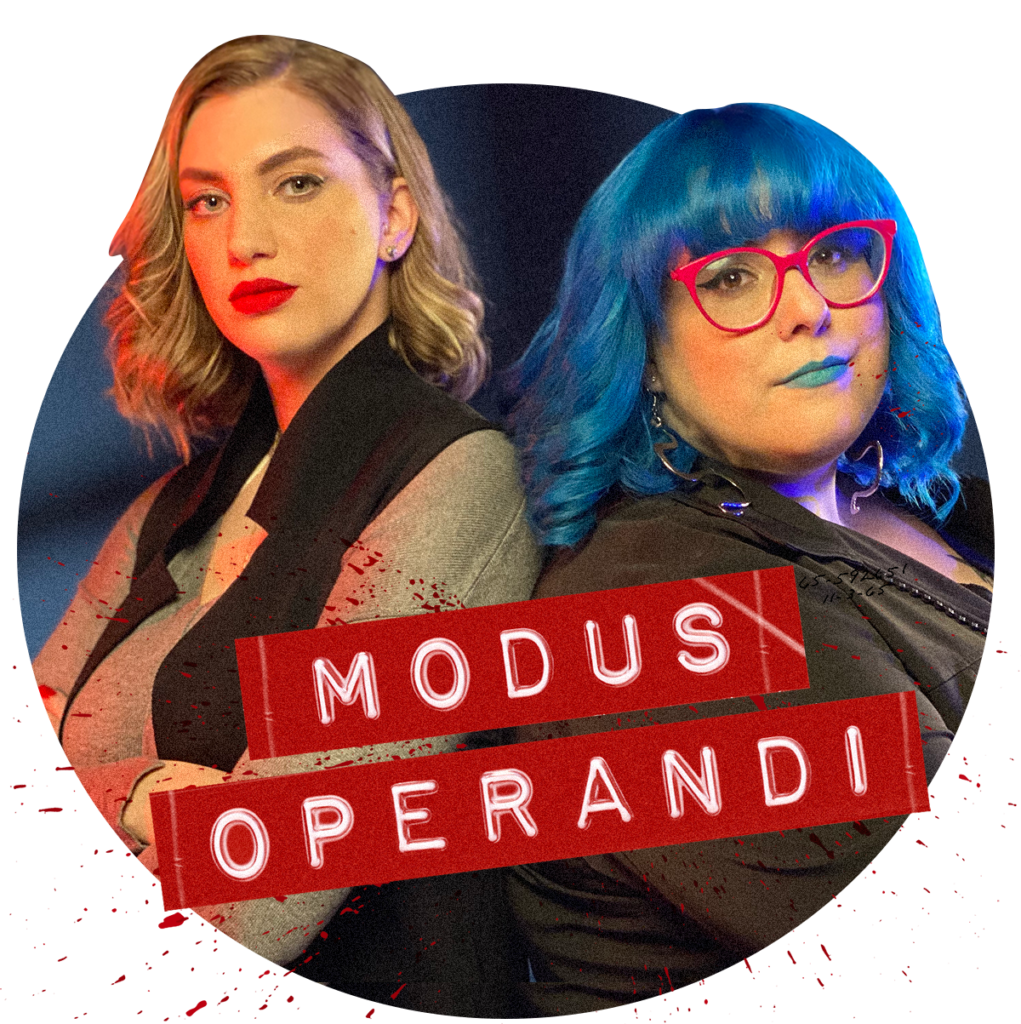
(Image: modusoperandipodcast.com | Reproduction)
When serious subjects become entertainment too
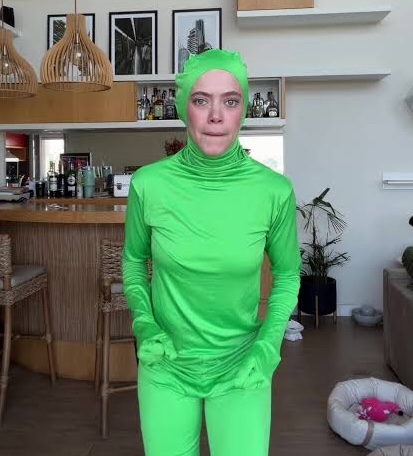
Science and education have also learned to speak the language of the feed. In 2024, biologist Mari Krüger took part in an event at the Federal University of Santa Maria (UFSM) with a talk titled “Edutenimento: educação e entretenimento na era das redes sociais.” She spoke about using creativity and humor to make scientific information more accessible to the public.
Her thinking is simple: people also come to social media for a distraction. If she approached a serious subject in the most technical way possible, many would scroll right past. So Mari turns science into entertainment, often appearing as a character. She jokes that people arrive expecting to meet “a green bacterium” and end up learning something along the way.
Why do these niches work so well in the feed?
Because they create codes that audiences learn to recognize. An opening, an editing style, a catchphrase, or an inside joke can make someone feel, “I have found my corner of the internet.” That becomes even more visible during live streams.
During the 2026 World Cup, CazéTV’s broadcast of Spain versus France peaked at more than 23 million concurrent viewers in Brazil, setting a global YouTube record for a single live stream.
The number is striking. But the behavior says even more: watching together has become part of the entertainment experience.
What does this change for content Creators?
A science Creator can use humor, a film channel can build a fandom, and a gamer can turn matches into a story. Personality, language, and consistency give people reasons to follow a subject through a Creator’s perspective. When audiences recognize those codes, look forward to the next live stream, or join in on the inside jokes, that relationship can go beyond the feed.
Ultimately, Creator Entertainment is not just about the subject you choose. Comedy, games, film, and science can compete for the same space because what sets a Creator apart is turning a topic into an experience people recognize. That mix of format, personality, and community makes audiences come back instead of just watching once.
On Flamus, Creators can bring that community closer through exclusive content, subscriptions, and more personal experiences, turning entertainment into a career asset.